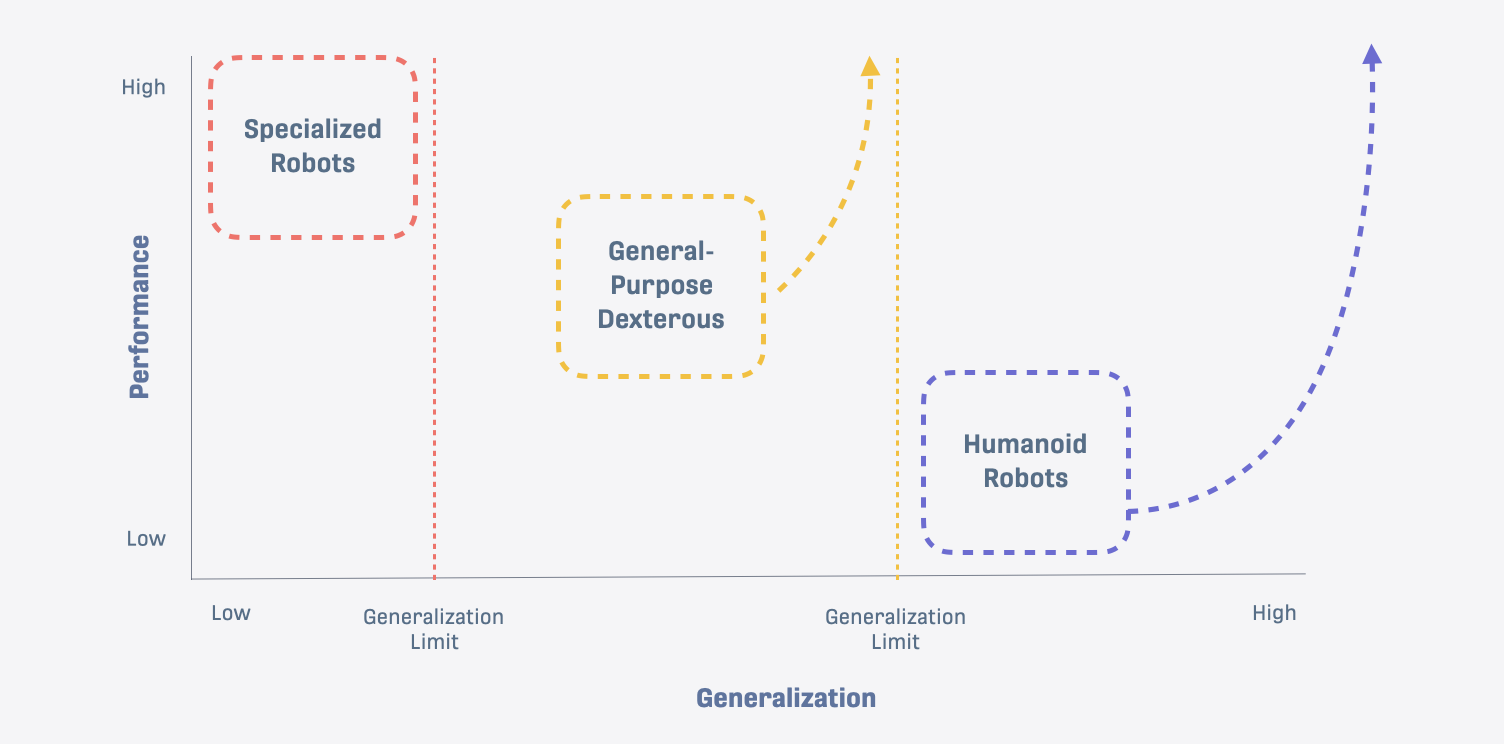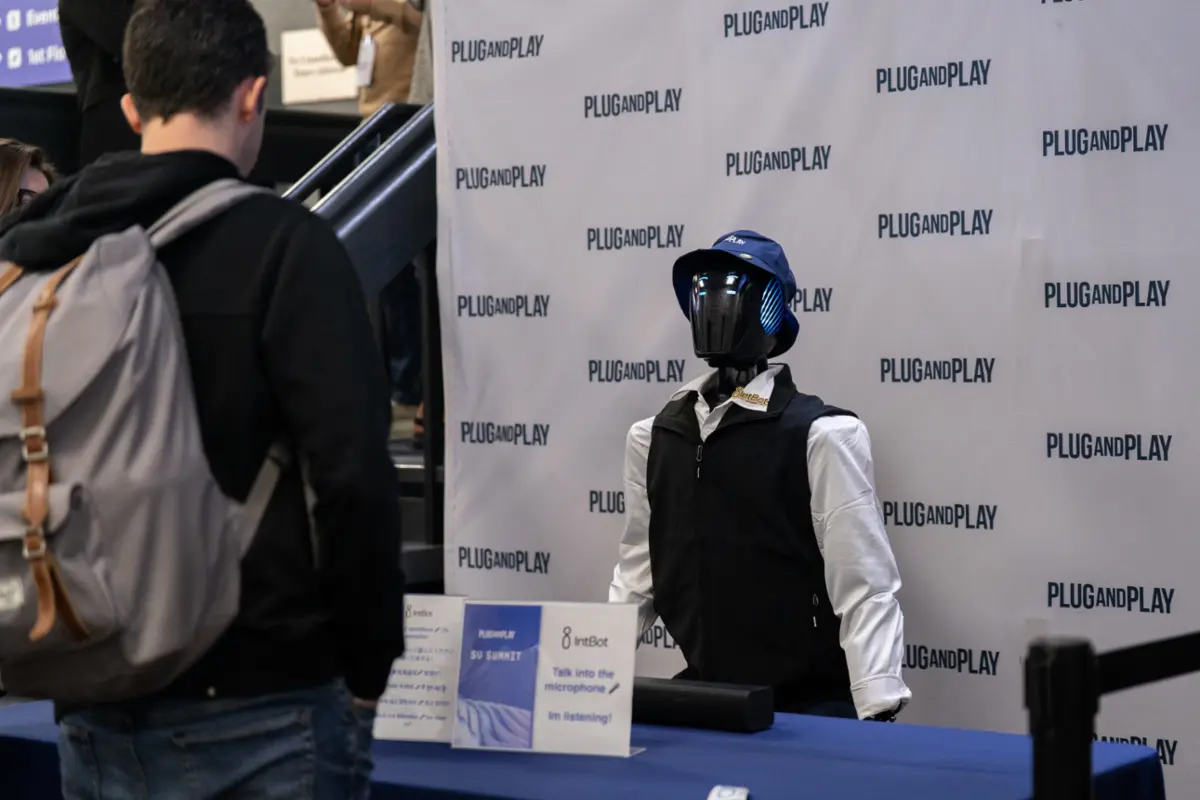
Prior to 2022, robotic control was rooted in classical autonomy policies using a modular sense–plan–act (SPA) architecture, that is, perception, planning & action were each enabled by a separate system. This architecture offered greater interpretability (easier to debug) and higher data efficiency, but it struggled to generalize. Each new task required engineers to write new rules or redesign subsystems, limiting scalability.
The turning point traces back to 2017, when Vaswani et al. introduced the Transformer architecture in their landmark paper, “Attention Is All You Need.” This architecture unlocked a model’s ability to weigh the contextual importance of different pieces of data, enabling large language models to process meaning rather than sequence alone. This context reasoning ability is now being applied to robotics. Transformers are powering end-to-end large-scale robotic foundation models that unify perception, control, and reasoning, marking a leap toward embodied intelligence.
Most current systems are Vision-Language-Action (VLA) models, but they remain reactive, responding moment-to-moment without foresight. These limitations led to the development of world models, creating architectures that fuse perception with learned simulations of physical environments. A world model essentially allows a robot to “think ahead,” plan through simulated experience, and execute long-horizon tasks more efficiently. This concept was dramatically scaled in early 2025 with the launch of the NVIDIA Cosmos World Foundation Model Platform. Designed as a "synthetic data generation and augmentation platform", that integrates with tools like Omniverse, Cosmos uses foundation models to generate vast amounts of photoreal, physics-accurate data for training and evaluating robot policies. This technology provides a crucial solution to help accelerate development across all Physical AI systems.
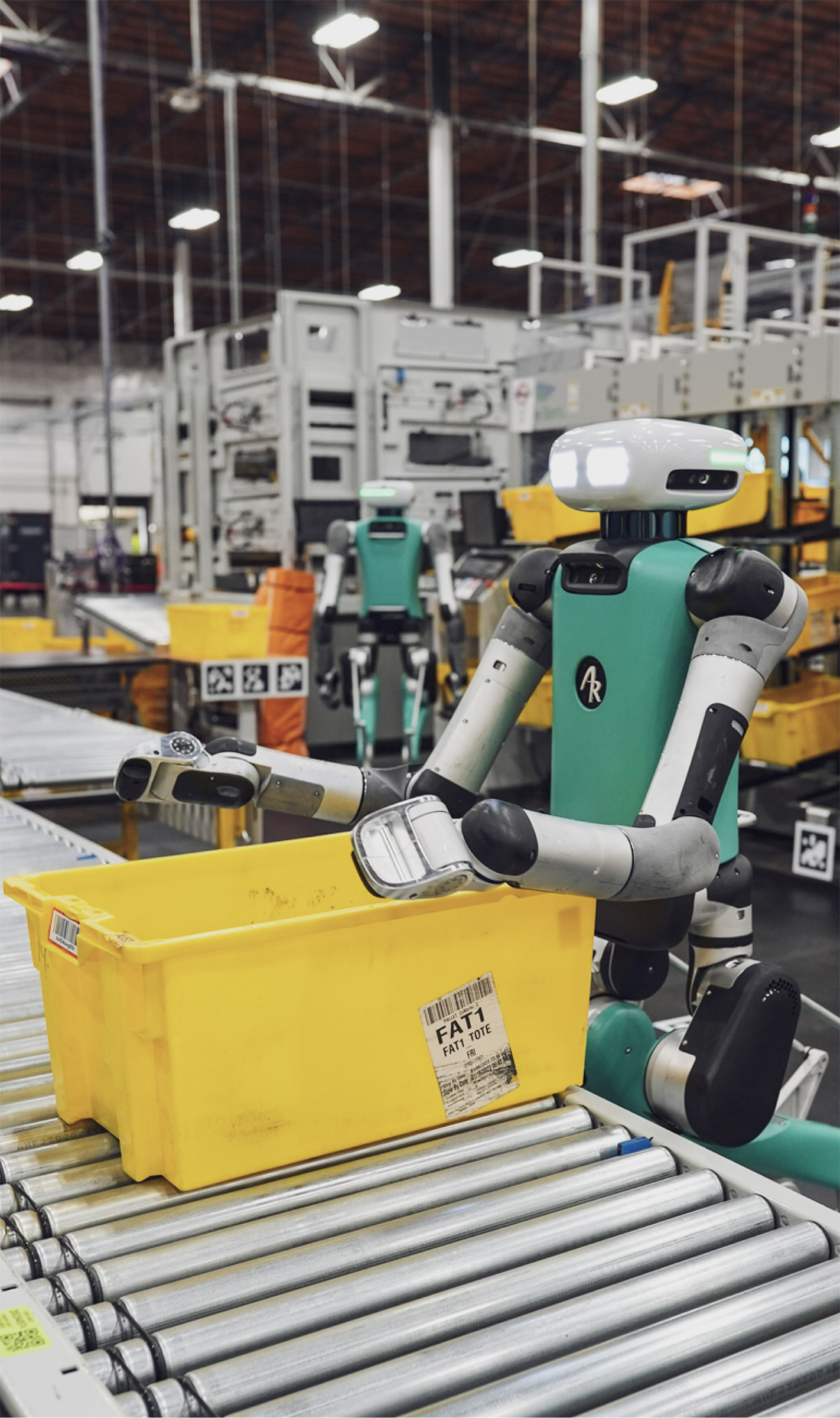
This combination of capabilities has fueled rapid commercialization. Agility Robotics’ Digit is leveraging a whole-body control foundation model to enable coordinated motion, walking, and object manipulation. These milestones confirm that foundation models are redefining robot autonomy, perception, and control into commercially viable solutions.