How does circular economy relate to smart waste management?
Smart waste management is one of the cornerstones of a circular economy. It’s the use of technology to reduce waste and optimize resources. In essence, waste management is where the loop closes. We need to reuse and recycle as much waste as possible so that it can re-enter the economy instead of ending up in landfills or polluting the environment.
A circular economy relies on using materials as efficiently as possible, and waste management is the final step in this process. But it’s not only about managing more waste; it’s about doing it in a smart way.
The waste management industry has traditionally been static. Only in the last few years have we seen intelligent waste management systems and recycling innovations. With the new technologies of the Internet of Things, or IoT, waste management companies and authorities are increasingly looking for intelligent solutions to address budgetary constraints and create sustainable cities.
The cutting-edge technology of IoT provides insightful data on waste generation patterns, enabling waste collectors to optimize waste management, become more sustainable, and make better business decisions. These solutions encompass everything, from automated collection and sorting systems to advanced analytics.
Smart waste management vehicles and their role in achieving a zero-waste system
With a pressing need for sustainability and waste reduction, smart waste management vehicles are becoming vital in achieving a zero-waste system. These vehicles are transforming how we handle waste, providing real-time data on collection schedules, locations, and volume of garbage.
These vehicles optimize routes and improve efficiency with sensors and GPS tracking, reducing fuel consumption and emissions. The data collected also assist the authorities in identifying areas where waste is frequently generated, supporting initiatives to reduce consumption, and creating a more sustainable future.
Smart waste management trucks
Another advantage of using these high-tech vehicles is the increased capacity. Trucks with innovative waste disposal can collect more waste than conventional trucks. That means less trips to landfills and less fuel consumption. These trucks also have sensors and GPS technology to monitor container waste levels and optimize collection routes.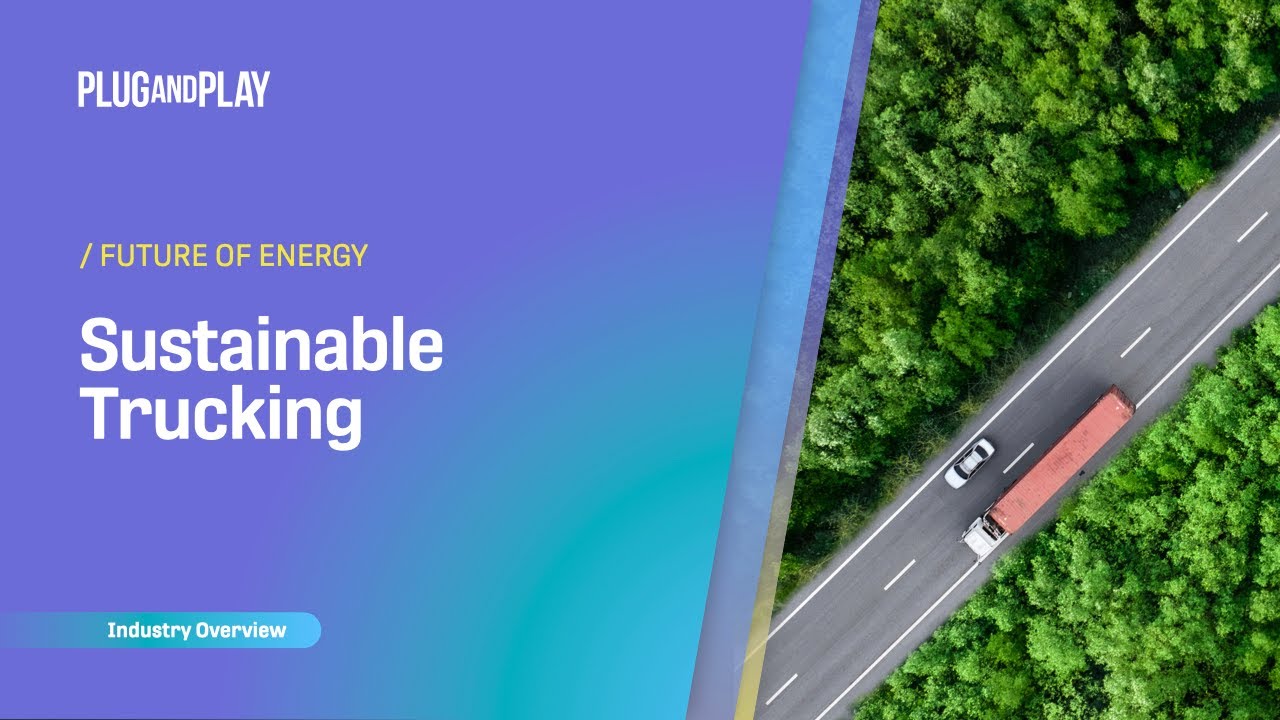
Implementing smart waste management solutions reduces the environmental impact of waste disposal, regenerates nature, and helps communities conserve resources and save money. By embracing the latest technology, smart waste management vehicles actively support our efforts to create a greener and more sustainable world, changing the face of waste management and promoting the idea that waste should be viewed as a valuable resource rather than an obstacle.
The benefits of implementing circular economy principles for smart waste management
Implementing circular economy principles can provide numerous benefits for businesses and the planet. By moving away from the traditional linear model of “take-make-dispose,” companies can reduce waste and conserve resources by implementing techniques such as product design for circularity and closed-loop systems, improving sustainability and increasing cost savings, as companies can reduce raw material and disposal costs. Additionally, the circular economy creates job opportunities in areas such as recycling and refurbishment, supporting local economies.
Today's consumers want to see sustainable practices of the companies they support
Transitioning to a more circular economy could generate up to $4.5 trillion in annual economic output by 2030. Additionally, reducing landfill waste and adopting mechanical recycling and composting efforts can create new jobs, stimulate innovation, and conserve natural resources.
This system allows nations to optimize their resources, especially in regions with limited supply — it helps keep those resources within their respective economies and reduce their dependence on other countries and entities. From a business perspective, circularity has its advantages. Consumers have associated their purchases as a form of activism, voting with their money and supporting the corporations that align with their beliefs.
If we manage waste circularly, each country can neutralize its waste. Hence, waste becomes a valuable resource that enables societies to live more sustainably while saving money, conserving resources, creating new jobs, and ensuring the well-being of future generations.
The benefits of smart waste management for the circular economy
The benefits of smart waste management and the circular economy are clear; it all comes down to making smart decisions when managing waste and designing an efficient system that allows us to produce goods without a negative impact on the planet’s resources.
It’s easy to read information and think about how it applies to others, but the real challenge is taking that information and applying it to ourselves. It’s time to start embracing renewable resources, striving for zero-waste manufacturing systems, and investing in environmental education - it’s up to all of us to play our part in creating a better, more sustainable world.
Plug and Play Tech Center is committed to empowering cities worldwide to partner with businesses and startups to become more sustainable and prosperous. Our innovation platform continues to research and develop intelligent solutions to tackle global sustainability challenges for the cities of the future.
For more insight into our investment activities and services, join our platform here. To learn more about our sustainability innovation platform, click here.