At the 2025 VivaTech conference in Paris, Nvidia CEO Jensen Huang made a statement that resonated far beyond the AI community: “This is going to be the decade of autonomous vehicles, robotics, and autonomous machines.”
To some, it sounded like another bold claim feeding the AI hype cycle. To others, it reflected a deeper shift already underway. Viewed through the lens of industrial reality, Huang’s words appear less speculative and more diagnostic of where the global economy is heading.
The structural pressures reshaping industry
Modern manufacturers are operating at a critical juncture. The convergence of labor shortages, intensifying cost pressures, and fragile global supply chains - compounded by geopolitical and market volatility - is actively undermining productivity, profitability, and long-term resilience. Simultaneously, a shift in consumer behavior toward rapid delivery, bespoke customization, and environmental sustainability is forcing a fundamental step-change in operational flexibility.
Incumbents are already moving
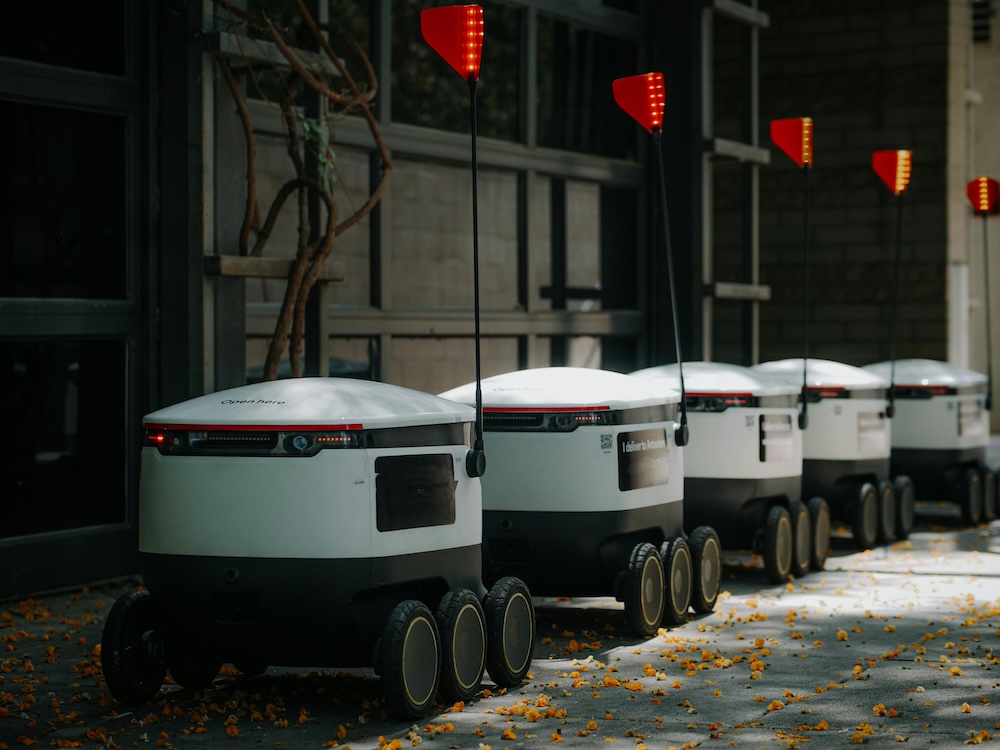 The actions of global incumbents suggest this shift is well underway:
- Walmart has partnered with Symbotic to automate its regional fulfillment centers using AI-driven robotic systems.
- Mercedes-Benz has partnered with Apptronik to test and co-develop the humanoid robot Apollo for repetitive intralogistics tasks in production environments.
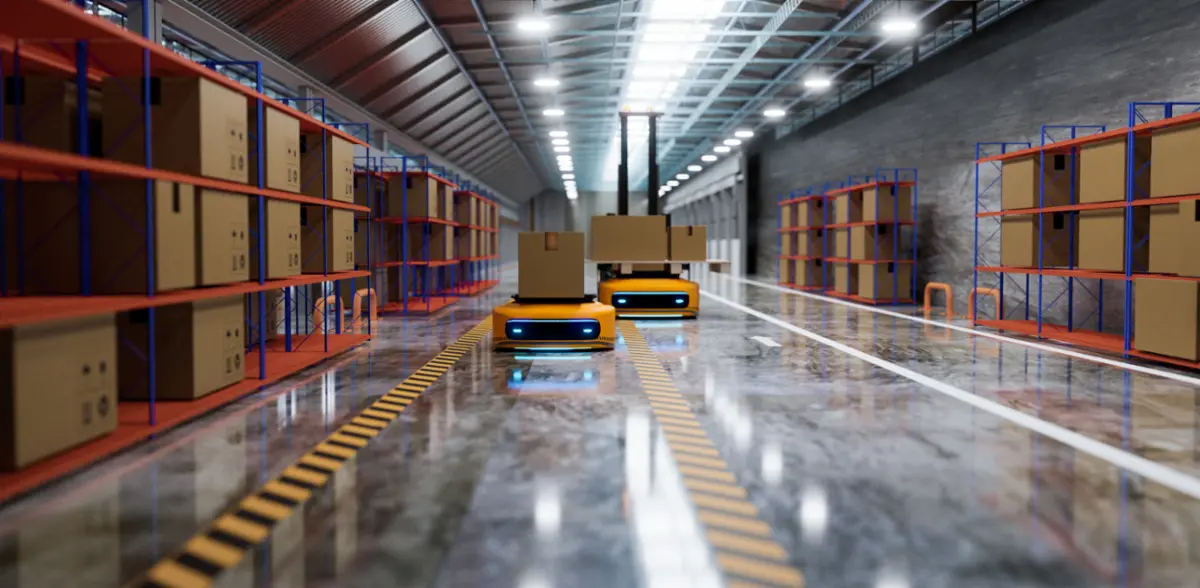
- Amazon now operates more than 750,000 robots across its logistics network, coordinating picking, sorting, and transportation at scale.
- Tesla has long relied on industrial robotics and is now deploying Optimus, its humanoid robot, directly within factory environments.
- In agriculture, Deere & Co. is commercializing autonomous tractors capable of operating without human drivers.
These are not pilot projects. They are large-scale deployments that signal a structural transformation in how physical work is performed.
From robotics to physical AI
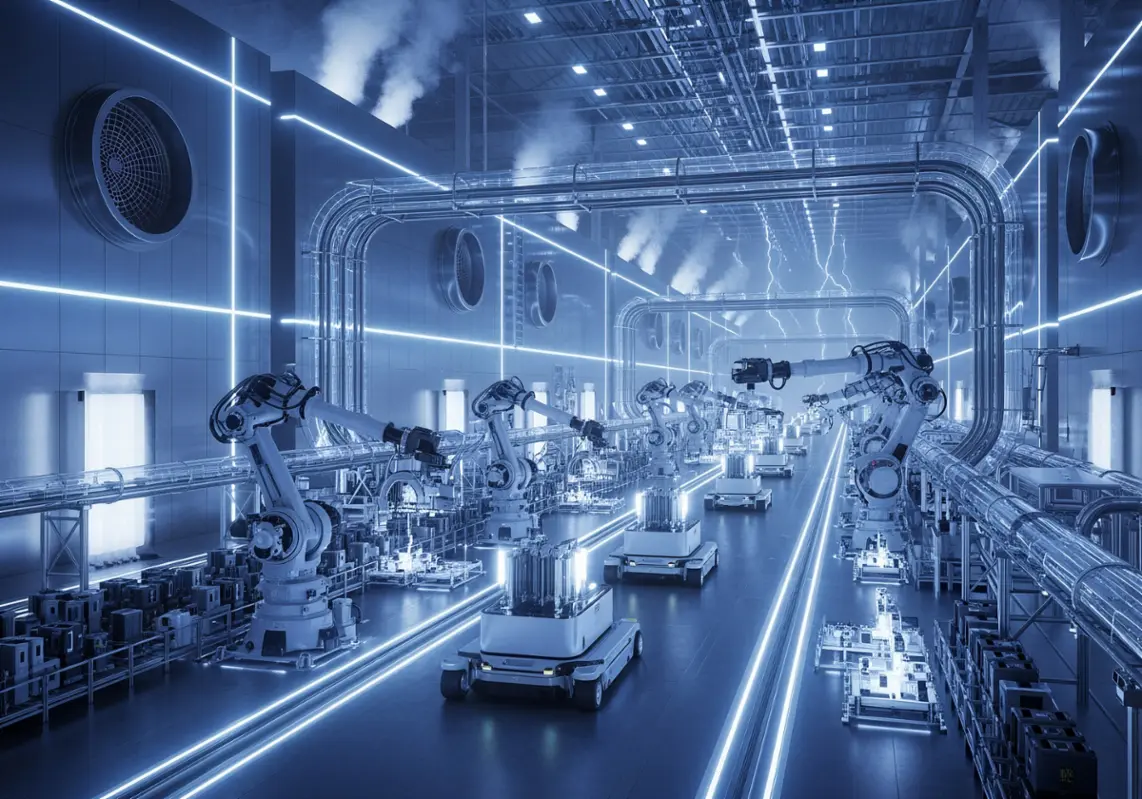
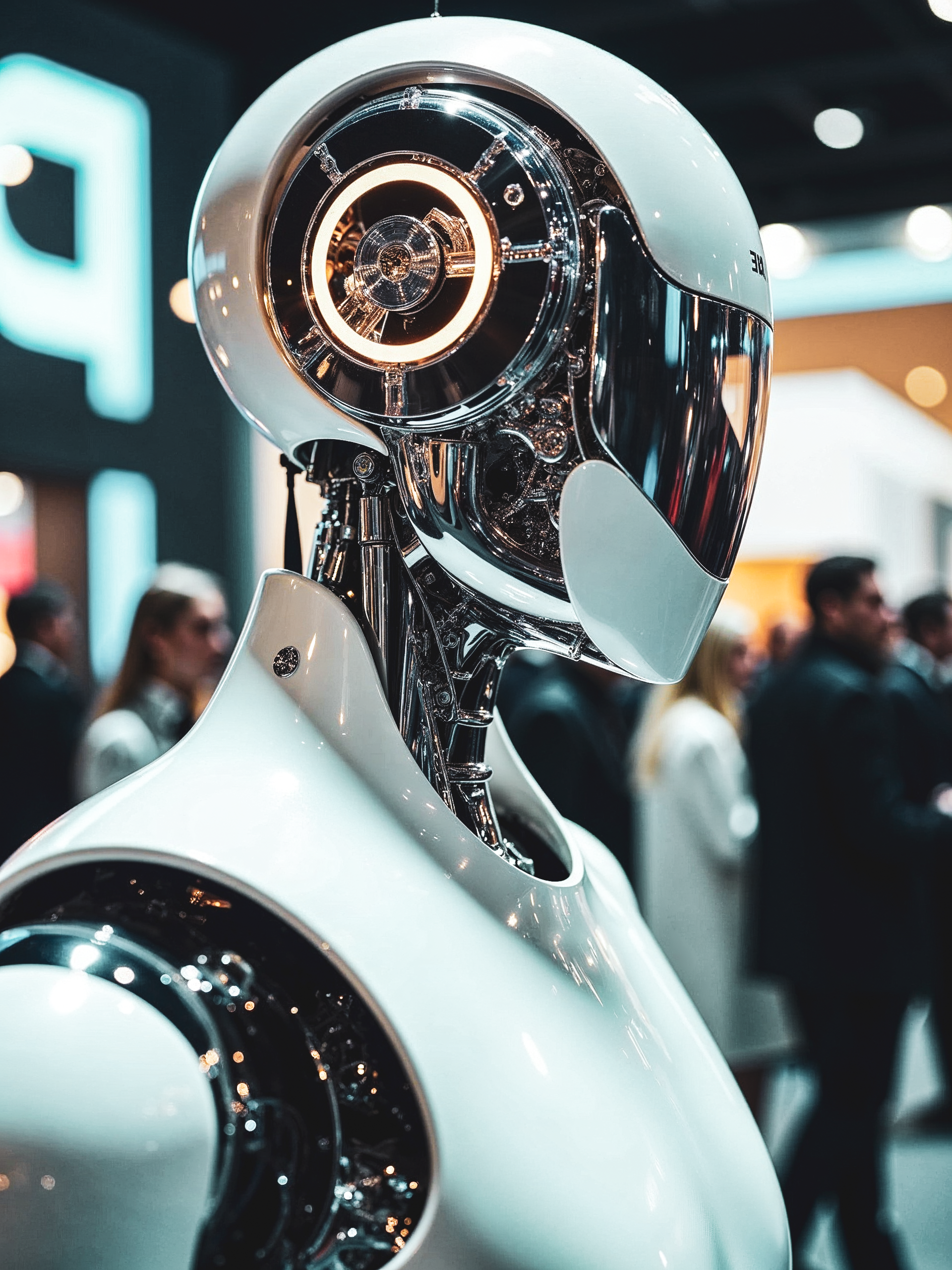 This transformation is driven by the rise of physical AI. While traditional robotics excelled in structured, predictable environments, physical AI enables machines to perceive, decide, and act autonomously in dynamic, real-world conditions. Earlier AI paradigms evolved largely in the digital domain, with perception AI interpreting the world through sensors, generative and agentic AI producing content and executing workflows. Their interaction with the physical world, however, remained indirect. Physical AI closes this gap by embedding intelligence directly into machines, operating through a continuous feedback loop: sensing, processing, deciding, acting, and learning in real time without explicit reprogramming.
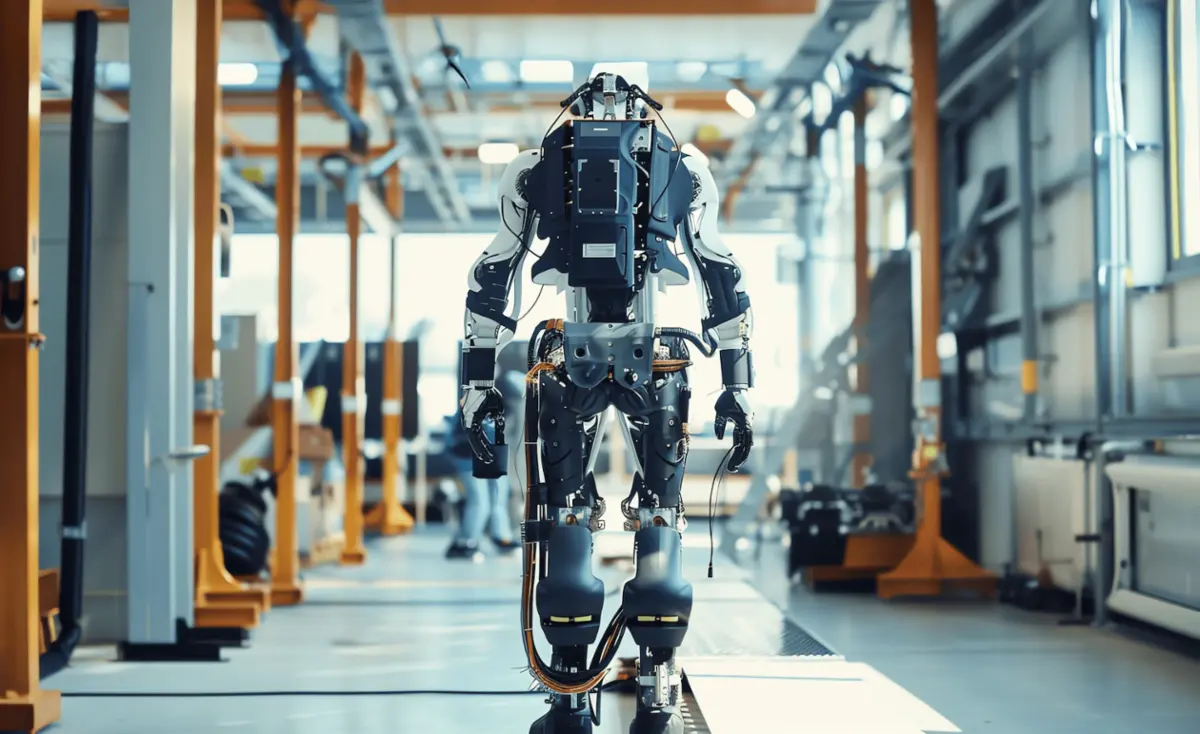
This shift is particularly evident in the emergence of humanoid robots. Declining hardware costs, advances in AI and machine learning, edge computing, and improved sensing technologies are making embodied intelligence economically viable. Humanoid systems combine perception, cognition, and motor control within a single embodied platform, enabling interaction with human environments in fundamentally new ways. Humanoid robotics represents a qualitative leap in automation, bringing machines closer to human-like adaptability and dexterity.
Startups as the signal
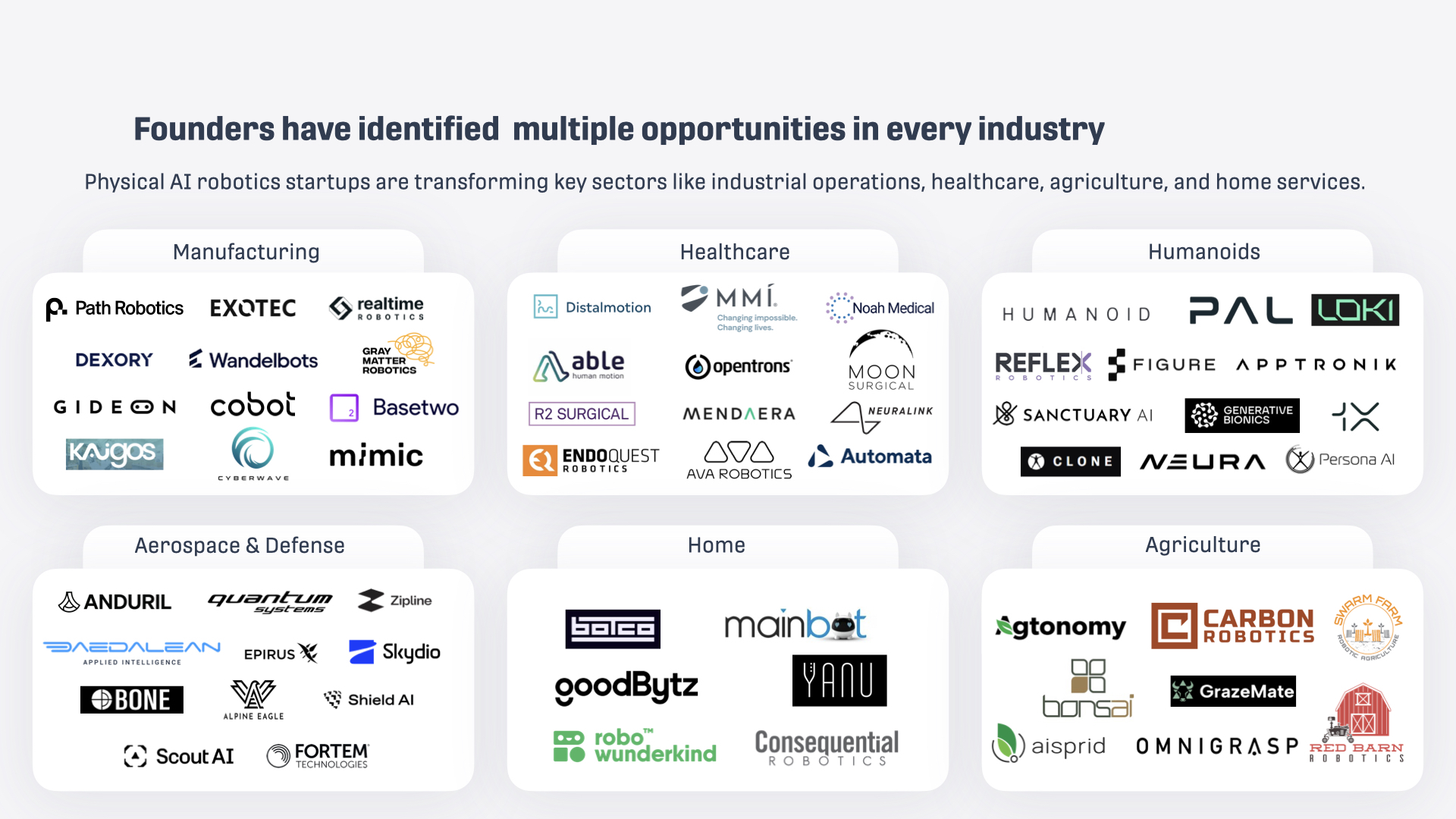
As with every technological inflection point, startups provide the clearest signal of where innovation is heading. Across Europe, AI and robotics startups are transforming manufacturing, healthcare, home, aerospace and defense, agriculture, and home. In manufacturing, startups are automating complex processes to reduce costs and improve efficiency. Healthcare ventures are deploying AI-driven robotics for surgery, rehabilitation, and patient care. Agricultural robotics is advancing sustainability and productivity, while enabling technologies in AI, IoT, and machine learning are accelerating progress across the ecosystem. Over the past decade, Europe has seen some of the largest funding rounds in AI and robotics, underscoring the continent’s growing influence in shaping the global physical AI landscape.
According to PitchBook data, since 2020, approximately $23 billion has been invested in physical AI-related startups across nearly 2,000 deals. Over the past five years, aerospace and defense have emerged as the most heavily funded verticals, driven largely by companies such as Anduril, which has raised $6.3 billion to date, and Shield AI, with $1.3 billion raised. This is followed closely by humanoid robotics, led by companies such as Figure, which has raised $1.5 billion overall.
 Hardware commoditization:
 Physical AI faces three fundamental challenges that distinguish it sharply from purely digital AI systems.