The German federal government is working to improve conditions for startups. In July 2022, it introduced its first comprehensive Startup Strategy, led by the Federal Ministry for Economic Affairs and Climate Action (BMWK). The strategy includes 130 measures, including funding programs, advisory services, and regulatory improvements. As of this publication, over 80% of these measures have already been implemented.
 The German startup strategy focuses on 10 key areas:
- Strengthening financing options for startups
- Attracting top talent by simplifying processes and making employee share ownership more appealing
- Fostering entrepreneurial spirit by making startup creation easier and more digital
- Promoting diversity and supporting female startup founders
- Encouraging spin-offs from scientific research
- Improving conditions for startups that contribute to the common good
- Leveraging startup expertise for public procurement
- Enhancing data access for startups
- Expanding living labs to provide startups with better opportunities
- Placing startups at the forefront
Key cities driving Germany’s startup scene
Germany’s tech scene is thriving, with startups securing massive funding in 2024, driven by advancements in AI and hardware. Berlin leads the way in the number of funded startups, while Munich, Frankfurt, and Hamburg are keeping pace, excelling in FinTech, InsurTech, and Health. Meanwhile, Baden-Württemberg — home to innovation hubs like Stuttgart, Karlsruhe, Heilbronn, and Heidelberg — is securing its place as an innovation powerhouse fueled by strong government support, industry partnerships, and top-tier education.
Berlin
Berlin is a global startup powerhouse, home to unicorns like Zalando, Delivery Hero, and N26. The city buzzes with major events like Berlin Web Week and Tech Open Air, attracting top talent and massive VC investments. If there’s a place where startups thrive, it’s here. The city boasts world-renowned research centers such as the Technical University of Berlin and the sprawling WISTA Science and Technology Park.
Plug and Play’s journey in Germany began in Berlin, where, from 2013 to 2017, it partnered with Axel Springer — one of Europe’s largest digital publishers — to launch Axel Springer Plug and Play, its first accelerator in the country. The program provided early-stage startups with a platform to refine their business models and connect with a global network of corporations and investors.
Munich
 Munich is quickly earning its reputation as Germany’s Silicon Valley. With major players like BMW, Siemens, and Allianz Group, the city is a hub for innovation in industries such as automotive, infrastructure, healthcare, and insurance. It’s also home to cutting-edge research institutions like Fraunhofer, the Technical University of Munich, and DLR. The success of unicorns like Celonis, FlixBus, and Personio highlights the strong flow of venture capital, cementing Munich’s position as a serious startup hotspot.
The city benefits from strong public support, with organizations like BayStartup offering coaching and funding, and Gründerland Bayern and the Chamber of Commerce providing valuable guidance on setting up a legal entity. The Business Promotion Agency Invest in Bavaria assists national and international companies in setting up or expanding their business operations in Bavaria. Conferences like Bits & Pretzels also provide great opportunities to connect with the city’s startup and innovation scene.
Munich is home to corporate accelerators and investment arms like the BMW Startup Garage and Plug and Play, fueling the city’s entrepreneurial energy. Plug and Play Munich drives innovation through its acceleration programs in Insurtech, partnering with Vienna Insurance Group, Irish Life and Versicherungskammer Bayern; Brand & Retail, working with industry leaders like SAP; and Health, collaborating with Neom and Accenture.
Hamburg
Hamburg, Germany’s second-largest city, is a powerhouse in key industries such as life science. Hamburg saw the launch of 161 startups, translating to 8.4 new companies per 100,000 residents — ranking just below Berlin’s 13.2 and significantly surpassing the national average of 3.3.
Hamburg is at the forefront of the global transition toward renewable energy. With ambitious plans to establish a green hydrogen economy by 2034, the city has become a prime location for GreenTech startups, particularly in logistics, mobility/smart city, and hydrogen, respectively, a new energy innovation. Plug and Play collaborates with the City of Hamburg on the Scaleup Landing Pad, a program for high-growth scaleups that intend to expand into the German market by providing valuable connections with key stakeholders and corporations in the local business landscape.
Through its Hamburg hub, Plug and Play thrives on its industry-agnostic approach, fostering innovation across a diverse range of sectors. With its diverse business landscape, it serves as an external partner for innovation programs across multiple industries, connecting corporations with cutting-edge startups. On top of that, it also provides comprehensive CVC- and venture-building services. Plug and Play Hamburg shapes the future of innovation by working with corporations in supply chain and logistics, new energies, retail, sustainability, and advanced manufacturing, collaborating with global leaders like Shell, Dell Technologies, DSV, Acario Innovation, Amazon, or COWI to drive impactful change.
Stuttgart
 Stuttgart, the capital of the state of Baden-Württemberg, is renowned as the birthplace of the automobile and a manufacturing hub. The region boasts thriving corporations across various sectors, including AI, mobility, and mechanical engineering, fostering a well-connected community of entrepreneurs. Hosting two dozen universities, along with various research institutes and development centers, the Stuttgart metropolitan area is pooling innovative forces and translating cutting-edge research into practical products.
In 2023, Stuttgart was named the best German city for startups, considering factors like GDP per capita, tax rates, offices, events, average salaries, cost of living, etc.
Stuttgart boasts a dynamic startup ecosystem backed by strong industries, co-working spaces, and dedicated support programs. In 2016, the Baden-Württemberg government launched the Start-up BW initiative and “THE Start-up LÄND” campaign to strengthen the region’s innovation landscape. These efforts provide funding, competitions, and networking opportunities to position Baden-Württemberg as a leading startup hub. Major corporations like Mercedes-Benz AG, Porsche AG, Bosch, and others collaborate closely with startups.
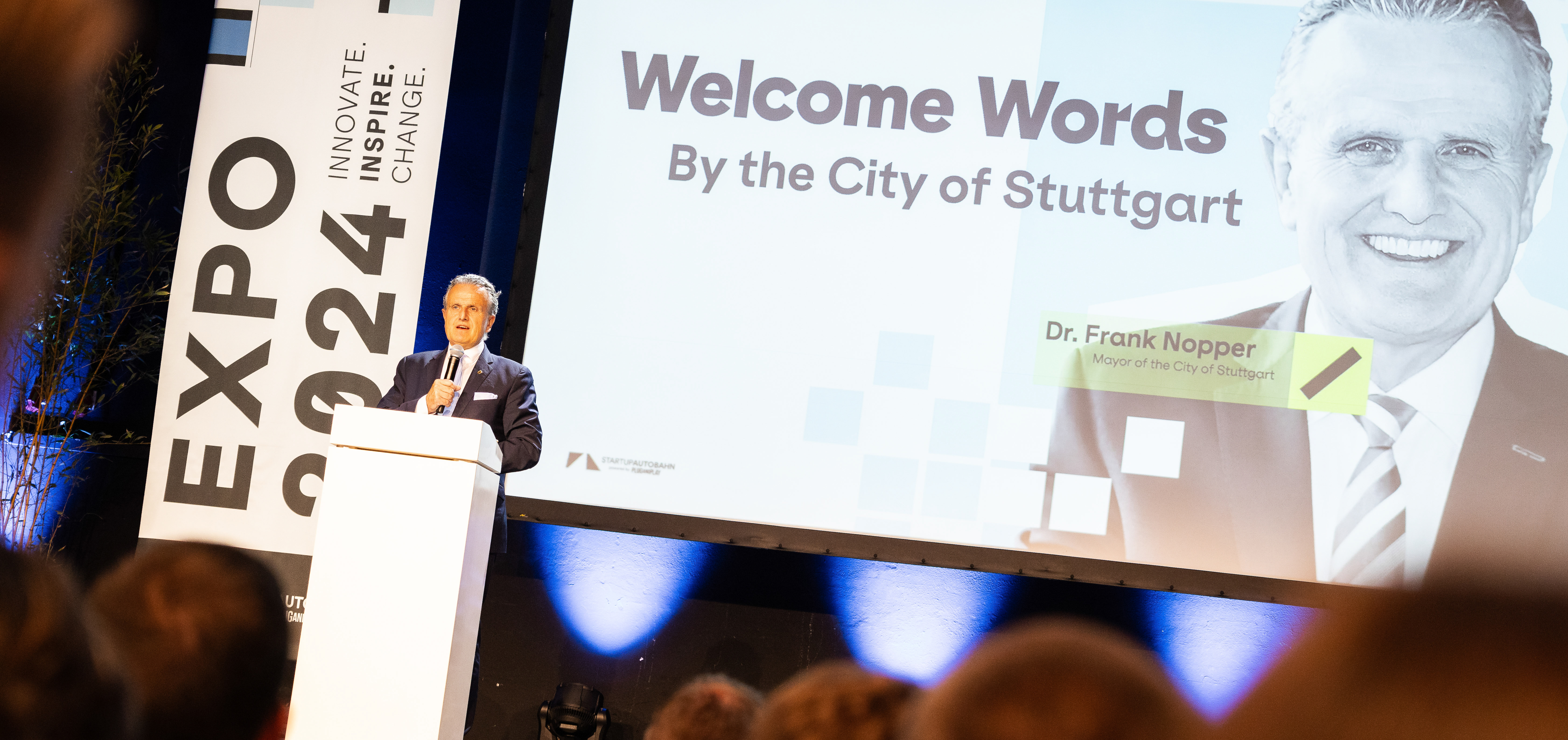
In 2016, Mercedes-Benz AG, together with Plug and Play, ARENA2036, and the University of Stuttgart, founded STARTUP AUTOBAHN powered by Plug and Play, a mobility-focused open innovation platform for discovering, evaluating, and rapidly implementing startup innovations in the automotive industry.
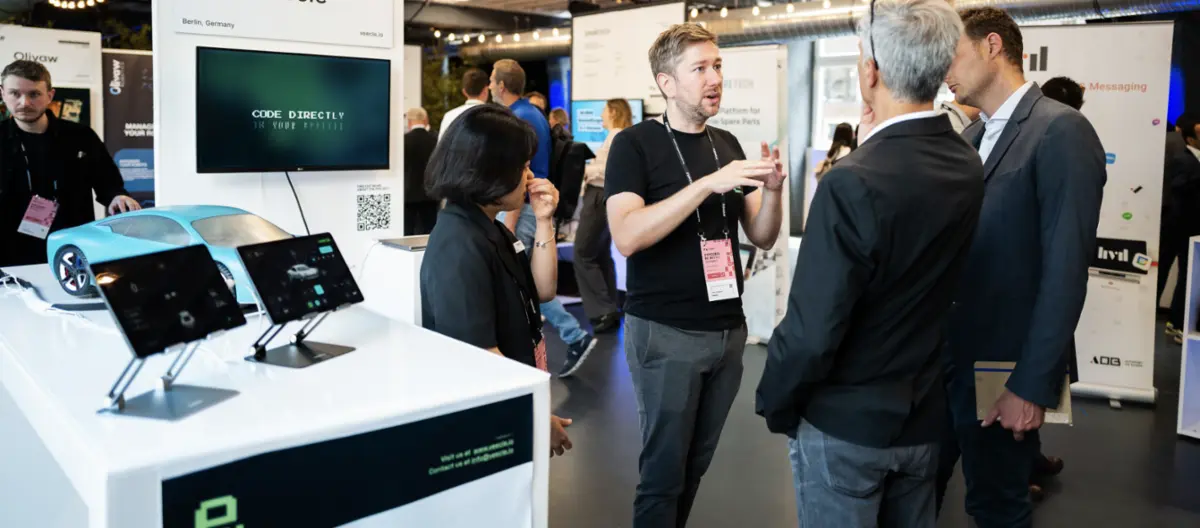
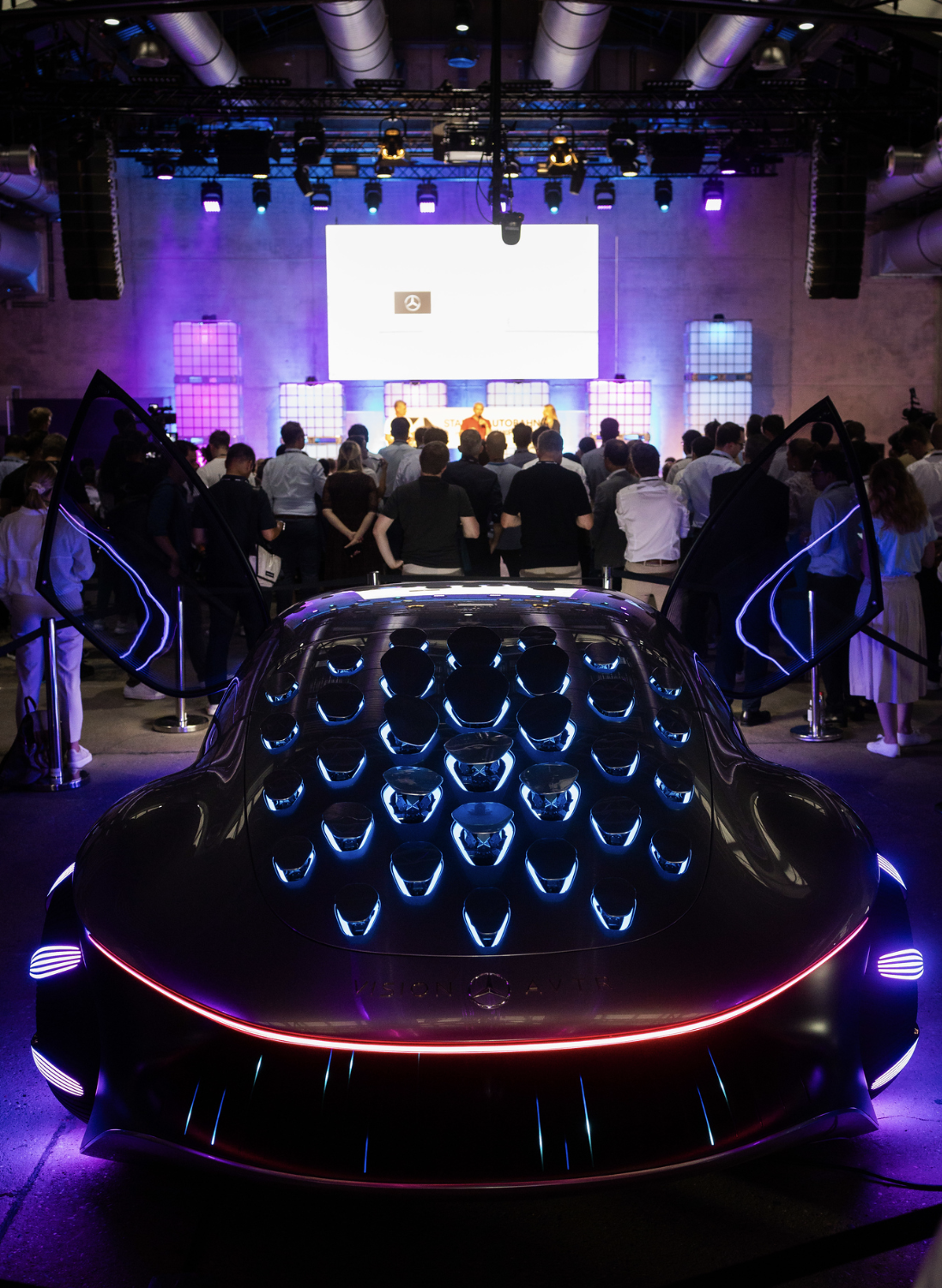 Mercedes-Benz’s initial interest set off a domino effect, attracting major innovation drivers like Porsche, DXC Technology, ZF Group, Motherson, Bosch, Schaeffler, and many more, and laid the cornerstone for what became Europe’s most successful open innovation platform in the field of mobility and a synonym for open innovation.