
The payment innovation landscape is evolving at lightning speed. With digital transactions skyrocketing worldwide, businesses and consumers demand seamless, secure, and instant payment experiences. This transformation is largely fueled by AI, which is reshaping how payment processing companies handle transactions, detect fraud, and develop innovative business models.
This article explores how AI is powering payment innovation and why staying ahead of these changes is crucial for businesses competing in today’s digital economy.
Payment innovations and payment processing companies
 Over the past decade, payment methods have rapidly evolved, driven by the explosive growth of e-commerce and rising consumer demand for fast, secure digital transactions. Traditional cash and checks are giving way to a broad range of innovations, from contactless and mobile payments to AI-powered fraud detection, that together enhance speed, security, and user experience.
Payment processing companies are key to the payment ecosystem. They enable businesses to accept payments across channels like credit cards, mobile wallets, and online platforms while ensuring security and efficiency.
Yet, these companies face increasing pressure. In 2024, 79% of businesses reported attempted or actual payment fraud, making AI integration essential. AI accelerates transaction processing and strengthens security protocols to protect sensitive data in real time.
Under this pressure, payment processors are transforming rapidly. Agile startups leverage AI to disrupt traditional models with seamless payments and dynamic fraud prevention. Meanwhile, established corporates use AI to scale operations, accurately process millions of transactions, and fight financial crime effectively.
As digital wallets, mobile payments, and blockchain reshape the payment landscape, understanding the evolving role of payment processors is critical. This insight can be the difference between leading innovation and falling behind in a competitive market.
AI-driven payment innovation: Trends & startups to watch
While traditional payment systems struggle with complexity, latency, and fraud, a new wave of startups is using AI to reimagine how transactions happen to make them faster, smarter, and far more secure.
Several innovations are reshaping the payment processing landscape, making transactions faster, more secure, and more convenient. Let’s explore some of the most significant advancements in this space.
Startups are particularly well-positioned to innovate using AI. With flexible AI tools and platforms, they can rapidly develop and deploy new payment solutions that meet their customers’ evolving needs. From contactless payments to voice-activated transactions, AI empowers startups to experiment and iterate quickly, gaining an edge in competitive markets.
Contactless payments
Contactless payments have rapidly grown in popularity, allowing consumers to complete transactions by simply tapping their cards or mobile devices at checkout. Using near-field communication (NFC), this technology securely transmits payment data within seconds.
For consumers, contactless payments offer a fast, easy, and hygienic experience with no cash handling, PIN entry, or card swiping required. This frictionless method meets today’s demand for speed and safety. For businesses, it means shorter lines, quicker checkouts, and happier customers, leading to increased sales and operational efficiency.
Startups driving innovation in contactless payments:
- Qomodo: Provides smart point-of-sale (POS) systems that simplify transactions and enable businesses to accept installments and instant payments, boosting sales and efficiency.
- Inflow: Delivers a merchant-centric payment platform for emerging markets, reducing cross-border fees and eliminating intermediaries through a single API integration.
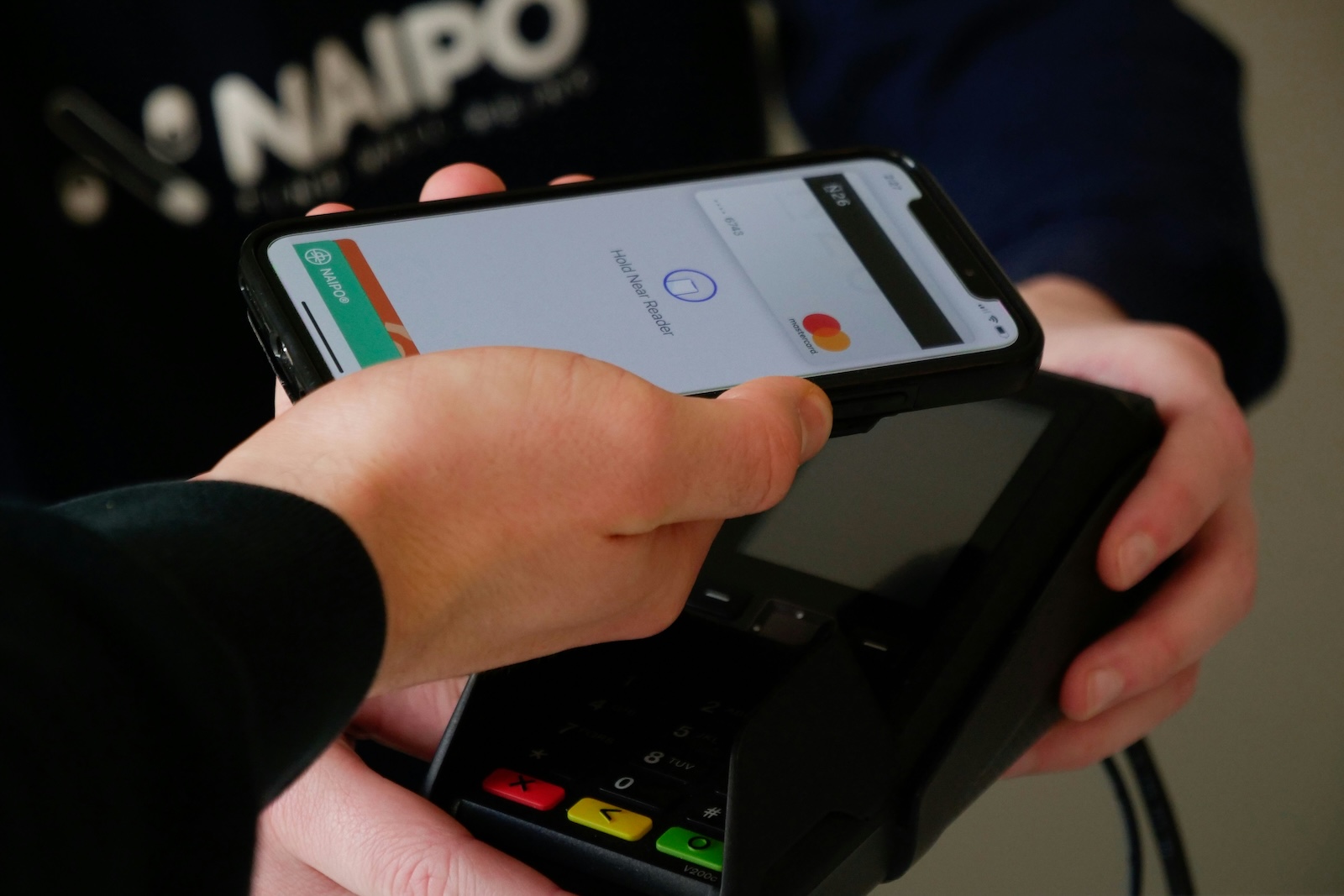 Mobile wallets like Apple Pay, Google Pay, and Samsung Pay are transforming how consumers pay and manage their finances. By securely storing payment information on smartphones, they enable quick, card-free online and in-store transactions3.
 Digital payments are increasingly targeted by fraudsters, emphasizing the need for robust security measures. AI addresses this challenge by deploying sophisticated fraud detection algorithms that analyze transaction patterns, detect anomalies, and flag suspicious activities in real time. These systems continuously learn from new data, improving their accuracy and reducing false positives.