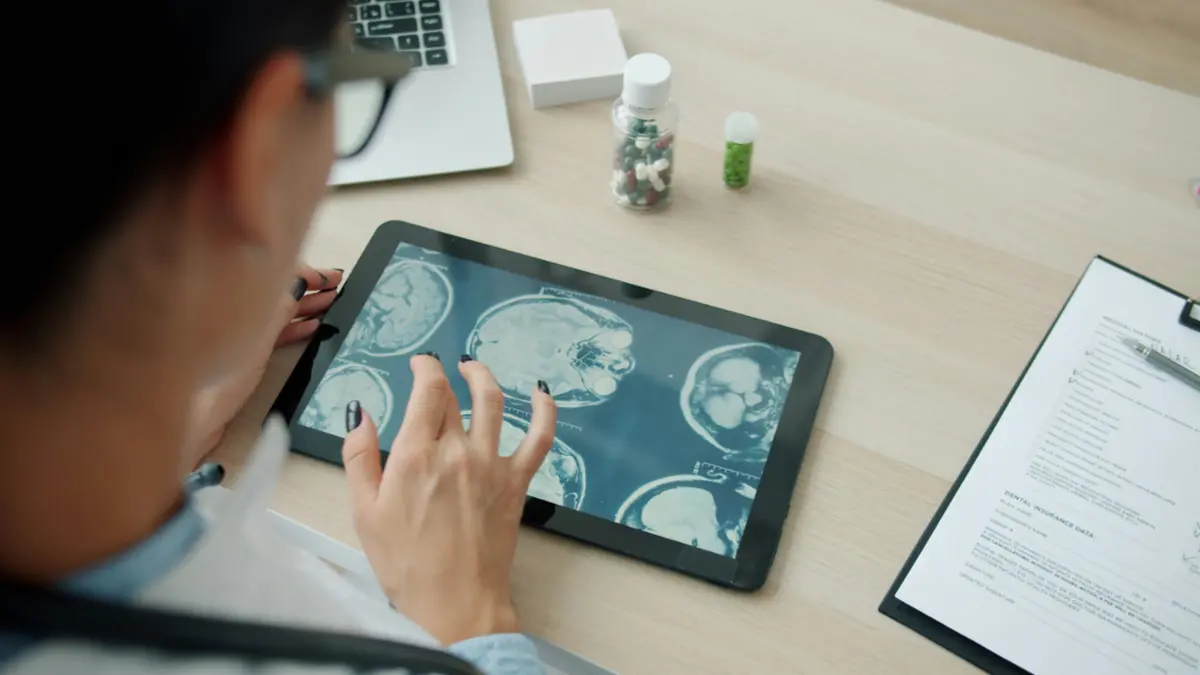
Across the U.S. and Europe, a new cohort of companies is translating non-invasive brain sensing and stimulation into products that fit into people’s actual lives: used at home, delivered through familiar form factors like earbuds and headsets, and built with clearer clinical and regulatory intent. What’s emerging is a rare alignment of technical readiness, regulatory movement, and commercial demand. If neurotech is going to stop being a curiosity and start becoming infrastructure, 2026 looks like the moment it might happen.
Why 2026 feels like a real inflection point
The first signal is regulatory. In December 2025, the FDA approved Flow Neuroscience’s FL-100 as an at-home prescription treatment for depression, the first of its kind in the U.S. The approval was backed by a clinical trial reporting remission outcomes after 10 weeks, and Flow has already outlined plans for U.S. availability by Q2 2026, along with early pricing expectations and insurer discussions. That approval matters far beyond Flow itself. It formally validates the idea that brain stimulation doesn’t have to live exclusively in clinics to be taken seriously.
The second signal is capital and ambition. Non-invasive “whole-brain interface” efforts are now attracting real money and serious operators. Sam Altman’s Merge Labs, reportedly spun out of Forest Neurotech and focused on ultrasound-based brain interfaces, has drawn significant attention. At the same time, Nudge publicly announced a $100M Series A to pursue focused-ultrasound “whole brain interfaces.”
Together, these developments materially de-risk the space in a way that matters to venture investors. They suggest neurotech can now compete on regulated legitimacy, manufacturable form factors, and scalable distribution, not just on impressive lab demos.
Theme 1: “Prescription goes home” — neuromodulation leaves the clinic
In the near term, the most investable neurotech doesn’t look like classic BCI (Brain-Computer Interface). It looks like at-home neuromodulation: devices that deliver controlled stimulation, wrapped in software that manages protocols, adherence, and outcomes.
Flow’s FDA approval is the clearest example, but the broader precedent is just as important. It establishes a home-first neuromodulation model — prescription, remote oversight, standardized protocols, and measurable outcomes — with the option to be used standalone or alongside existing treatments. In mental health and sleep, where access constraints are structural rather than temporary, that combination of credibility and convenience is powerful.
The market itself is already splitting into two distinct paths.
- Clinically anchored stimulation (clear regulatory intent)
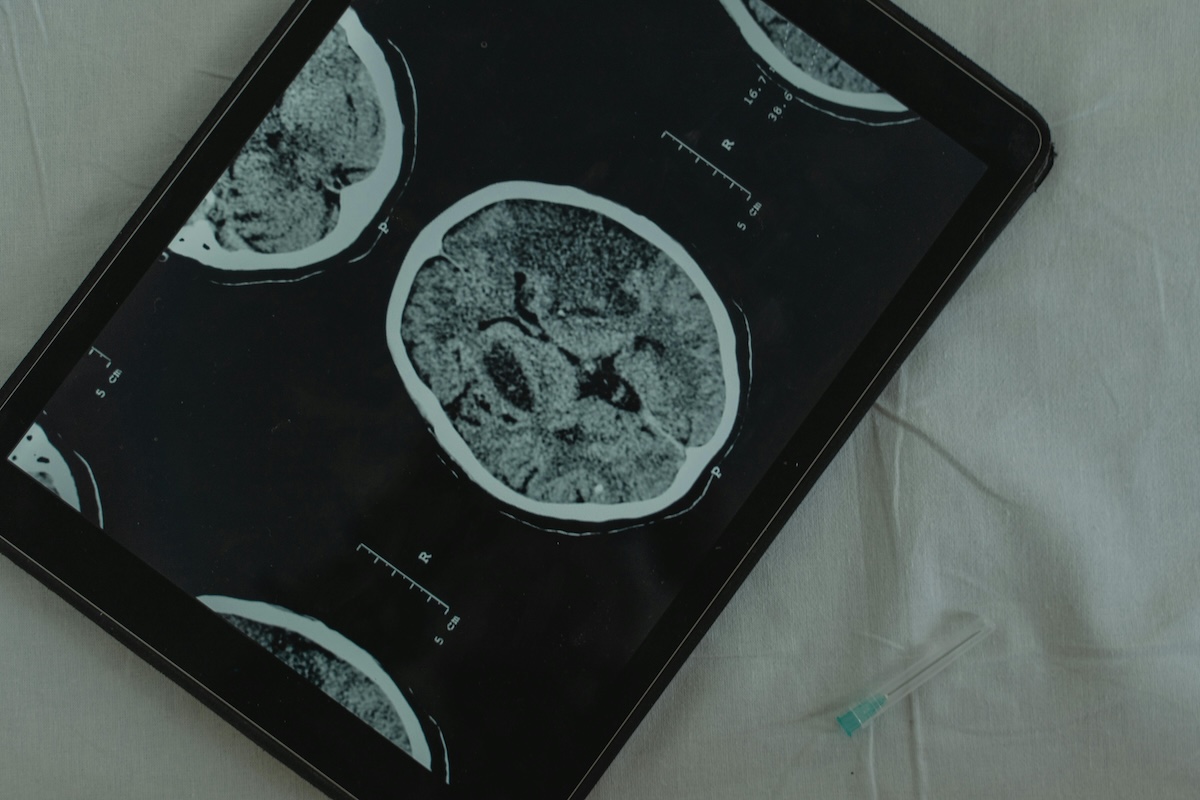 Neurovalens is a valuable case study in how a consumer-adjacent product evolves into regulated care. The FDA database shows 510(k) clearance for Modius Sleep and a De Novo grant for Modius Lean in October 2025, placing weight management firmly into a regulated device category. It’s a reminder that the hardware is rarely the moat. The durable advantage comes from regulatory clarity, protocol design, clinical evidence, and distribution strategy.
- Autonomic and vagus-nerve stimulation in wearable form factors
Vagus nerve stimulation has traditionally meant implants. This is changing fast.
Parasym’s Nuropod launched in the U.S. as an ear-based, non-invasive VNS device positioned as clinically studied, showing how neuromodulation can take on consumer-friendly form factors without abandoning evidence.
Pulsetto offers a complementary, EU-first path. The Vilnius-based company reportedly raised €2M in 2025 to expand its VNS wearable platform, including defense-adjacent resilience use cases, often a forcing function for robustness and deployment discipline.
What will separate winners in 2026:
- Adherence as a product feature: onboarding, coaching, personalization, reminders, escalation, and feedback loops need to be designed as a system.
- Claim discipline: Flow’s milestone also raises the bar. The effectiveness of TDCS (Transcranial Direct Current Stimulation) is still debated, so companies that are precise about what they can prove and for whom will earn trust over time.
- Distribution realism: The hard questions aren’t about novelty, but about who pays, who prescribes, who monitors, and what changes after day 30 or day 180.
Theme 2: Brain sensing goes wearable — EEG leaves the lab
The second wave is about turning EEG from a point-in-time test into a continuous signal by embedding it into devices people already wear. That unlocks two venture-scale opportunities: longitudinal brain data in natural settings and clear entry points into high-ROI workflows such as sleep, diagnostics, and clinical trials.
Earbuds as “the brain’s smartwatch”
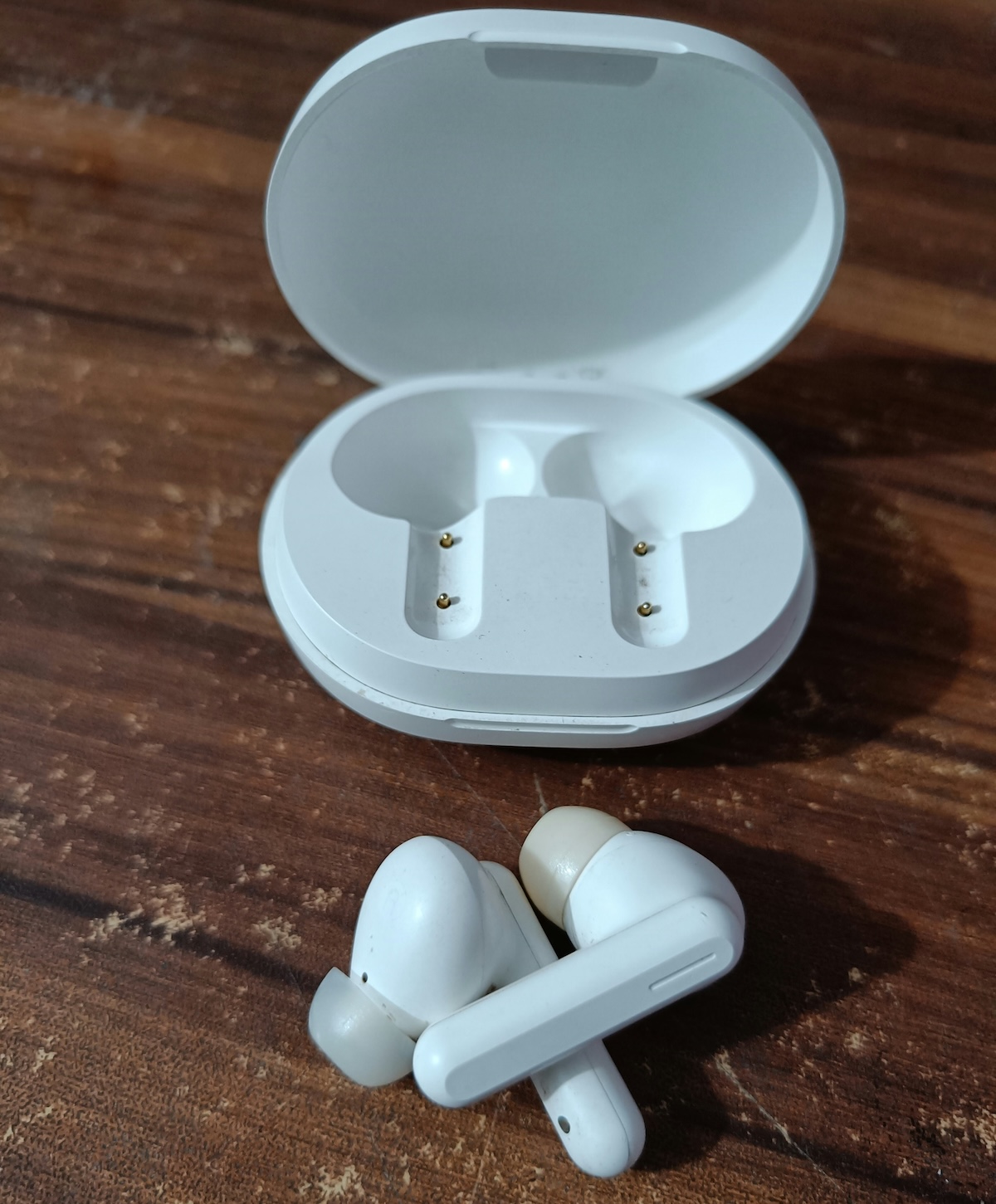
NextSense raised a $16M Series A to bring Smartbuds to market, truly wireless earbuds with in-ear EEG designed for clinical-grade signal quality. The ear matters because it’s one of the few realistic “always-on” locations, especially for sleep monitoring at scale.

 On the supply-chain side, Europe offers encouraging signals.
 Cognixion