Yet, managing these resources has become increasingly complex due to population growth, rapid urbanization, and climate change. Nevertheless, technological advancements have opened doors to new opportunities that can help strike a balance between human needs and environmental preservation.
What is natural resource management?
NRM involves the scientific, economic, and social principles for effectively managing land, water, air, and wildlife. Its goal is to ensure sustainability and responsible use while preserving its values for future generations.
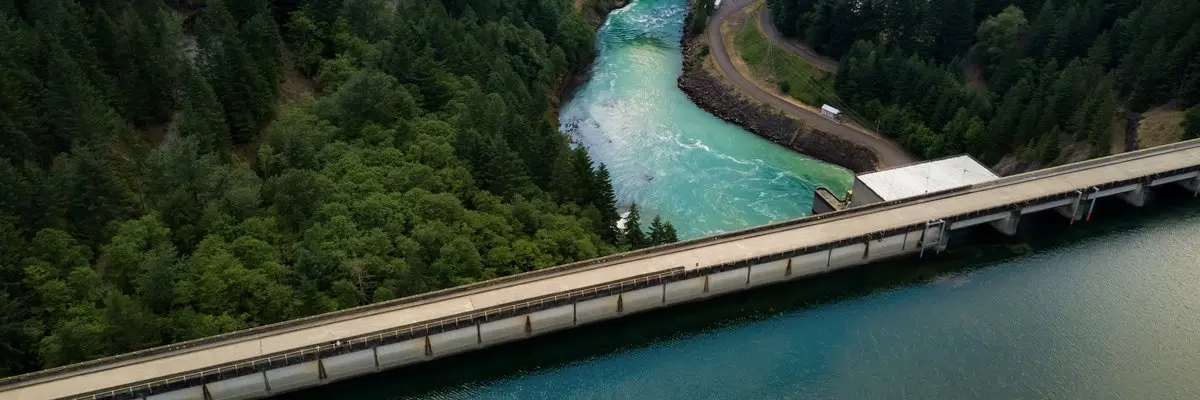
For example, we can significantly reduce carbon emissions by embracing renewable energy sources like solar, wind, and hydroelectric power instead of relying on fossil fuels.
The field of natural resource management is extensive, enclosing a wide range of practices and strategies aimed at protecting and conserving our finite resources. We’re facing significant challenges, such as climate change and biodiversity loss, reinforcing the importance of natural resource management and collaboration to save our planet.
The importance of NRM: Securing a sustainable future for all
The importance of natural resource conservation cannot be emphasized enough. It contributes to socio-economic resilience and is critical to environmental protection. Moreover, sustainable NRM is vital for climate change mitigation and water security.
Benefits of natural resource management
Socio-economic resilience
Socio-economic resilience is one of the key benefits of effective NRM practices is their ability to promote equitable and inclusive socio-economic development. Local communities can have a better quality of life and enjoy increased livelihood opportunities when natural resources are managed sustainably.
Whether through agriculture, ecotourism, or sustainable forestry, these practices empower communities, reduce poverty, and enhance their ability to adapt to a changing climate.
Whether through agriculture, ecotourism, or sustainable forestry, these practices empower communities, reduce poverty, and enhance their ability to adapt to a changing climate.
Environmental conservation
Environmental conservation is essential, as it safeguards and preserves our planet’s ecosystems and biodiversity. We can ensure our environment's preservation by implementing practices that minimize habitat destruction, pollution, and overexploitation.
Climate change mitigation
Additionally, sustainable NRM is vital in climate change mitigation and increasing resilience to its impacts. Proper management of natural resources and promoting renewable energy sources can significantly reduce greenhouse gas emissions. These actions contribute to the global effort to combat climate change.
Moreover, protecting and restoring natural habitats also shields us against extreme weather, which is why, by implementing natural resource management practices, we're better prepared to face the challenges of climate change.
Water security
Water security: With freshwater scarcity becoming a growing concern globally, implementing efficient water use practices, protecting watersheds, and preventing pollution is vital to ensure everyone can access clean and reliable water.
NRM — A challenge for future generations
Natural resource management is complex and challenging in our rapidly growing society. As the demand for resources rises, it becomes increasingly important to effectively manage their quality and quantity to maintain our planet's ecological balance and sustainability.
One major challenge, in particular, is ensuring that these resources are produced sustainably so future generations can enjoy them.
Additionally, managing these resources requires the cooperation of multiple actors and stakeholders with often competing interests, making it a complex and sensitive process.
Greening the way: Strategies for sustainable resource management
As we strive toward a sustainable future, developing effective strategies for sustainable development has become paramount, and the Internet of Things is one key player in achieving this goal.
Technology has revolutionized natural resource management in many ways. It has enabled better monitoring, analysis, and data collection that support sustainable decision-making. Remote sensing, GPS, and geographic information system mapping are examples of technological tools used in natural resource management. These technologies can help optimize the use of natural resources, minimize resource waste, and anticipate environmental changes.
Through innovative tools and software, natural resource managers now have the power to gather and analyze data more efficiently, allowing them to make informed decisions and ensure optimal allocation and protection of our resources. With sophisticated software at their fingertips, resource managers can even model different scenarios, predicting and preventing potential problems.
These technological advancements have paved the way for three fundamental natural resource management practices:
-
Reducing waste: We can minimize the environmental impact by reducing waste generation and promoting recycling and composting practices.
-
Utilizing renewable energy: Switching to renewable energy sources like solar, wind, and hydropower can significantly reduce our carbon footprint.
-
Adopting sustainable farming methods: Embracing sustainable agriculture practices, such as organic farming and agroforestry, helps promote biodiversity and soil health.
By actively participating in these natural resource management practices, we can be the change we want to see. Together, we can make a difference.
For more insight into our investment activities and services, join our platform here. To learn more about our sustainability innovation platform, click here.