Characteristics of a culture of innovation
Different companies may interpret and apply the concept of innovation culture differently. But there are a few common characteristics of a culture of innovation:
Flat (but strong) leadership to sustain an innovative culture
Leadership plays a critical role in creating and sustaining an innovation culture. To foster an innovative environment, leaders must set an example for their employees and create an atmosphere of trust and collaboration. A flat leadership structure allows teams to take ownership of their projects and explore ideas without fear of repercussions or criticism from above.
However, the leadership must be strong enough to ensure that the culture aligns with the company's values and goals. Leaders must also provide guidance and direction to help employees reach their full potential.
A culture of failure for a culture of innovation
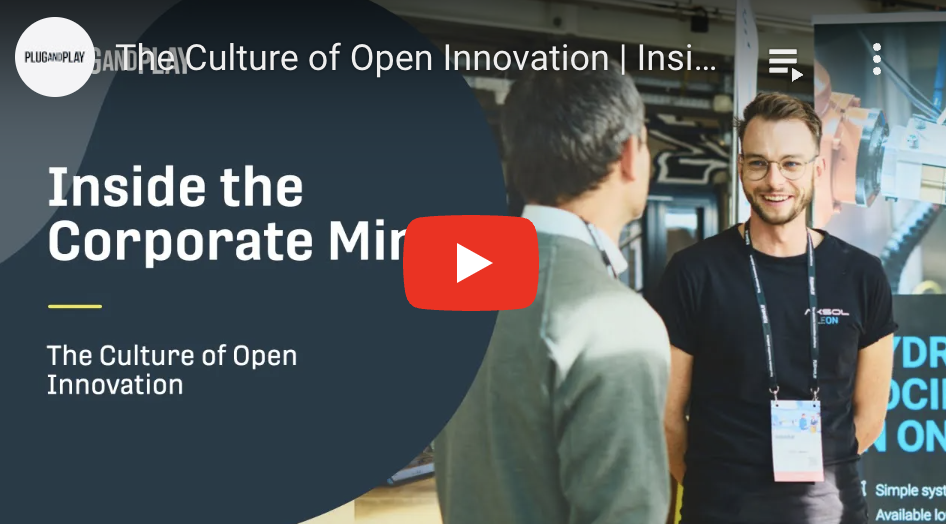
Innovation requires trial and error, and by accepting failure, teams can move closer to achieving breakthroughs. A culture of failure is an essential component of fostering an innovation culture in businesses. It encourages teams to take risks and experiment with new ideas. More importantly, it provides an opportunity to reflect on the experiment process. Embracing failures is a necessary step for companies to learn lessons and find the best idea or strategy. This allows companies to use their past experiences as a foundation for future success. Learn more about the power of failure in a culture of innovation in this video:

The most innovative companies often have a group of unconventional learners. These employees learn not only from their peers but also from outside sources. They look back on both successes and failures to make conclusions. And they're constantly seeking new ideas and ways of thinking to challenge the status quo. With clear objectives and disciplines, they can develop innovative solutions for any problem that may arise.
Transparency and feedback
Innovation cultures require both transparency and feedback. This means that the leadership is open about their reasonings behind important decision-making. Meanwhile, employees are able to know how well the company is growing. The environment should also be open to constructive feedback from other team members. Employees' concerns get addressed, and they grow together. By providing a safe space for employees to express themselves, organizations can foster an environment of collaboration and creativity.
Personal accountability
Personal accountability is another characteristic of an innovation culture. Employees must understand their roles and responsibilities within the organization. They must be willing to take risks, express themselves freely, and be held accountable for their actions. Companies can become more efficient and creative when everyone is focused on delivering high-quality work and taking ownership of their projects.
Strong network and connections with the most innovative companies
Industries are shifting every day. That's why innovation requires networking and strong connections with peers, customers, and other stakeholders. It is essential for businesses to stay connected within the industry and understand their competitive landscape. Most innovative companies can also quickly identify new opportunities by connecting with innovative minds outside their organization. This keeps them ahead of the curve and allows for faster problem-solving and decision-making.
How do the most innovative companies foster an innovation culture?
Google 20% rule
Google has encouraged a 20% project system since 2004. The project allows employees to use 20% of their time – one day per week – for their own projects. The goal is for employees to have a more creative environment and access to the resources they need, allowing them to be more productive. As a result, Google has created some of its most successful products and services, such as Gmail and AdSense.
Toyota Strategic Innovation Lab
Toyota's Strategic Innovation Lab aims to experiment with unproven business models through partnerships and creativity. It selects partners and works together to develop a minimum viable product (MVP). The partners work to demonstrate ideas through use-case assessments, intending to bring them to market eventually.
Microsoft hackathons
Microsoft regularly runs hackathons to encourage employees to come up with innovative solutions. During the hackathon, teams are given a specific challenge and are provided with resources and guidance. Microsoft offers a platform for experimentation and idea-sharing. And by doing this, the company can optimize its products and services by encouraging employees to think outside the box.
Zappos holacracy
In 2014, Zappos adopted a self-management system known as holacracy. The structure eliminates traditional managerial roles and encourages employees to chart their own courses in their respective departments. This system helps to promote autonomy and creativity as well as encourages team collaboration. It also provides a platform for employees to develop innovative solutions and work together on projects. This has allowed the company to become more agile and innovative, offering customers an ever-evolving experience.
Advice from Plug and Play corporate partners fostering innovation
As a global innovation platform, Plug and Play is home to some of the world's most innovative companies. A few offered their advice on how to foster an innovation culture in businesses:
-
Anne-Lise Lajoie, Head of Strategic Partnership and Open Innovation at BNP Paribas, said it's important to start with identifying those within the company who want to see the change. "Show them the result you can get and convince them," said Lajoie. "Theory says that if you can have 10% of the company convinced with the new mindset of innovation, you'll be able to cascade it to everyone else."
-
Heikki Koponen is the Manager of Startup Sourcing and Market Analysis at Fortum. He emphasized the importance of engaging with outside innovators, such as startups and academic institutions. "By logistics, more clever people work outside of your company than inside of it," stated Robert Stenekes, Director of External Innovation at ICL Group, pointing out a similar view. "It's always good to get insights from adjacent areas where you're not an expert."
Our corporate partners believe that organizations need to empower their employees by providing a platform for collaboration and idea-sharing. Additionally, fostering a strong team spirit and providing support for experiments are essential for an innovative culture. Having agile and flexible teams is essential for a successful project with either internal or external partners.
How to build the most innovative culture in your company
Companies must invest in innovation, engage with outside innovators, and encourage employees' creativity. In turn, this will give them a competitive advantage over their peers. With the right strategies and the commitment to foster a culture of innovation, companies can create meaningful organizational change and gain a competitive edge.
The process of creating new business ideas and ventures within a company can be a great way to tap into the creativity and innovative capabilities of your employees, but it can also fail spectacularly.
Learn more about some key tips our partners share for handling intrapreneurship, which is a key method for cultivating an innovative culture. This video will discuss some of the most common reasons intrapreneurship fails and tips for making it successful.