articleJul 31, 2025
Medtech

How Data-Driven Orthopedic Implants Are Changing Patient Outcomes

Orthopedic implants are evolving into smart tools that enable continuous/regular remote and predictive modeling in healthcare to improve patient outcomes.

Not long ago, orthopedic implants were little more than silent passengers in the body. Once a knee or hip was placed, no information was provided about its condition or how well the patient was recovering. Today, that’s changing rapidly. Thanks to a new wave of smart implants and intraoperative instruments, the operating room is becoming a hub of data — and that data is powering predictive modeling in healthcare that improves care long after surgery ends. In simpler terms, what used to be a one-time fix is now becoming a long-term feedback loop. Instead of waiting for something to go wrong, doctors can now use live data to monitor how an implant performs from the early post-op period.

Smarter orthopedic implants & real-time surgical data

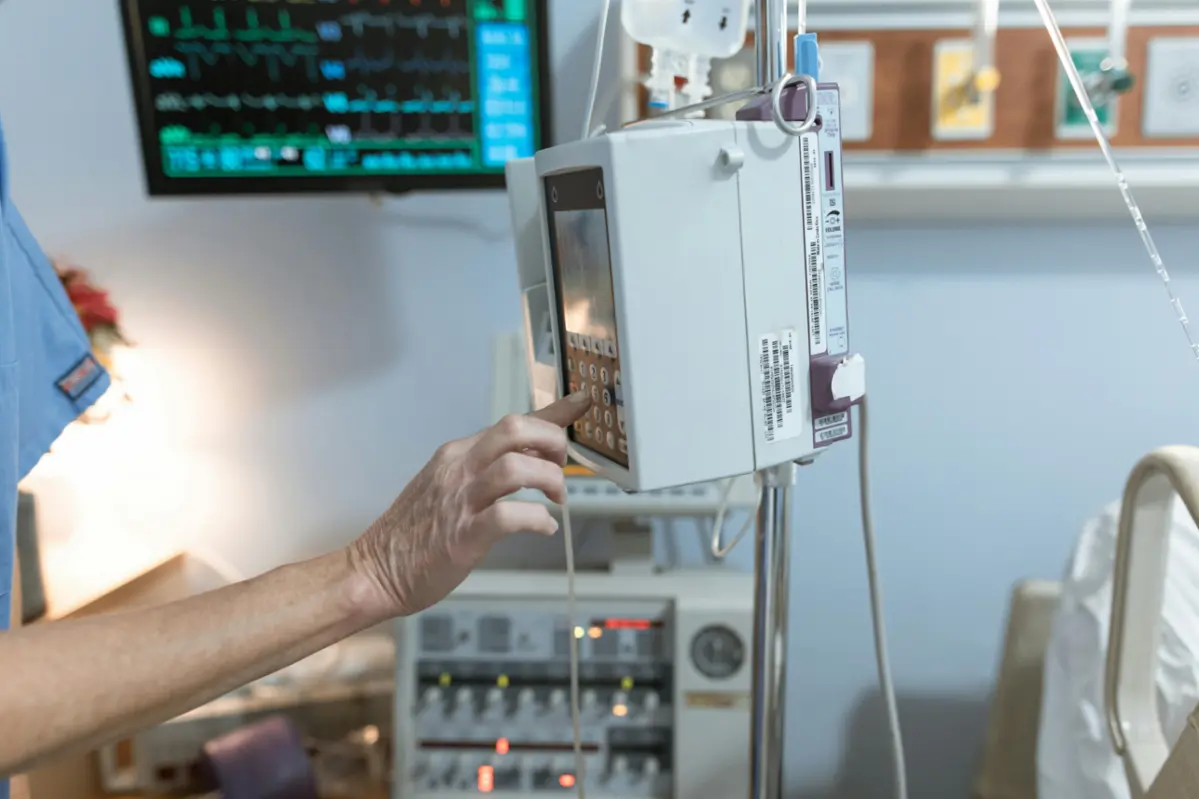
Surgeons are increasingly turning orthopedics into a data-rich field. Smart implants and instruments in the OR now record real-time metrics — from joint loads and alignment to ranges of motion — during surgery; recovery data come from implanted sensors and wearables. For example, wireless pressure sensors (like Stryker’s VERASENSE system) measure the balance of soft tissues in a knee replacement, quantifying how force is distributed across the joint. Robots and navigation systems capture angular placement and kinematics. Even trial sensor inserts send compartmental load data; positioning/alignment comes from navigation/robotic guidance. In short, intraoperative metrics now include things like joint load/pressure, alignment angles, and soft-tissue balance — all in real time. These data are fed to analytics models or stored for post-op analysis.

Do better measurements mean better outcomes?

But does capturing better data during surgery always lead to better results? Not necessarily. A major clinical study of 285 knee replacements found that using pressure sensors during surgery made the knees more precisely balanced. However, when researchers looked at patients’ recovery two years later, they found no significant differences compared to traditional manual techniques. This suggests that while sensors can improve surgical accuracy, their true power may lie in how we use their data during recovery.

Building predictive modeling in orthopedic implants from surgery data

The value of these measurements goes far beyond the operating table. Hospitals and device makers are using emerging intraoperative data, combined with patient risk factors, to build predictive models that identify who may need closer monitoring or more intensive rehabilitation. For example, by analyzing soft-tissue balancing data alongside demographic or health information, predictive modeling in healthcare can forecast a patient’s likelihood of stiffness, slower rehab, or implant-related complications.

GET IN TOUCH

Ready to start your innovation journey?

What remote monitoring looks like for orthopedic implants

What does this look like in practice? Some companies are embedding sensors in the implants themselves to keep tracking progress after patients go home. For example, Zimmer Biomet’s Persona IQ monitors how patients walk and move daily. Their WalkAI makes daily predictions of gait speed and compares them to an anonymized real-world database to flag off-track recoveries. If someone is predicted to fall behind, such as walking slower than expected, the care team is alerted automatically.

The trend doesn’t stop at surgery. What happens after the patient leaves the OR is equally essential. For example, Zimmer Biomet’s groundbreaking Persona IQ knee implant is embedded with sensors in its tibial stem that measure daily activity, gait speed, and range of motion. The orthopedic implants are increasingly equipped with sensors that monitor activity and joint performance in everyday life. By comparing this real-world data to large anonymized databases, algorithms can flag when a patient’s recovery is off track, prompting care teams to intervene before minor setbacks become major issues.

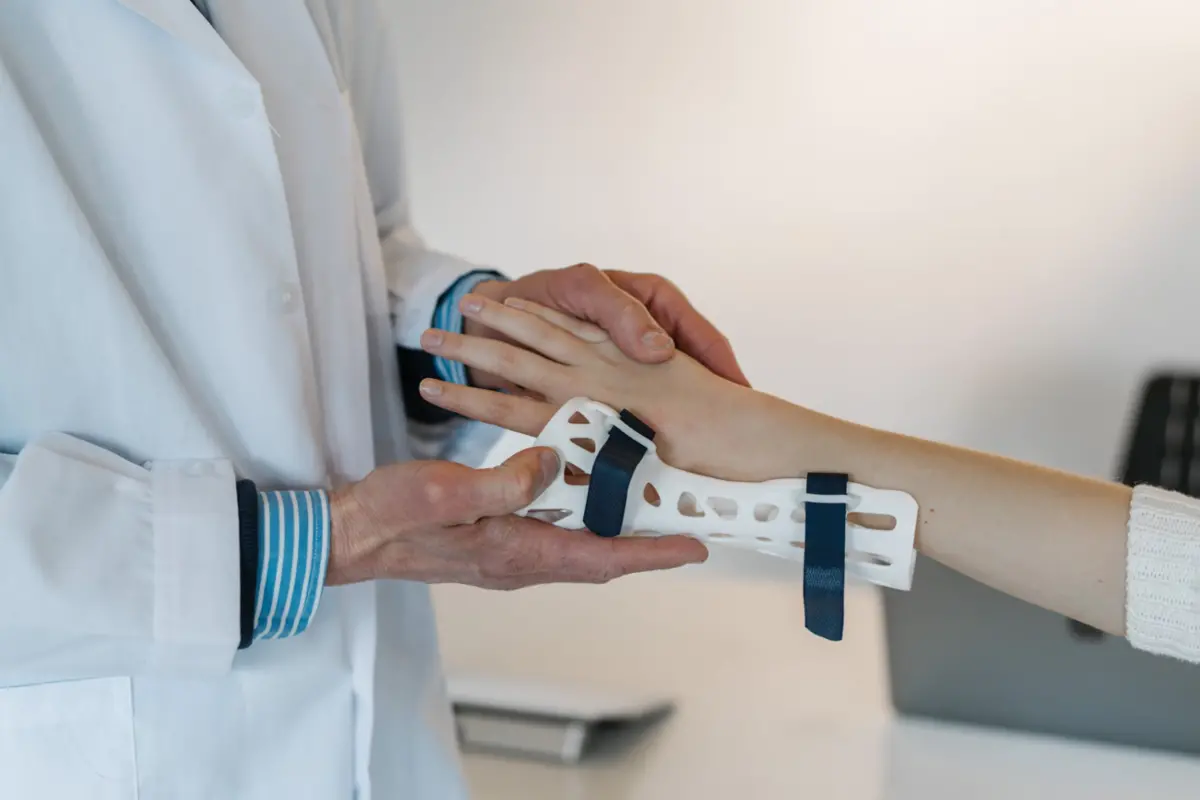
Other wearables and adhesive patch-based tools are doing something similar without being embedded. Take TracPatch Health, for instance; their system uses skin-worn sensors to monitor range of motion, temperature at the surgical site, and exercise compliance. This gives care providers a more complete picture of recovery and enables remote monitoring and may reduce some in-person visits, depending on care pathways patients need.


RELATED EBOOK: Sustainable Solutions for a Healthier Healthcare System Report — Gain a comprehensive understanding of the strategies, innovations, and collaborations reshaping healthcare sustainability.


Why orthopedic implants matter

The promise is clear for patients: fewer complications, personalized rehab plans, and the reassurance that potential problems can be caught early. For hospitals, smart orthopedic implants and predictive platforms help keep costs under control by avoiding surprises. And for device makers, pairing hardware with actionable data analytics offers a compelling competitive edge, shifting the business model from a one-time sale to an ongoing source of clinical value.

And innovation is pushing even further. What if these implants didn’t need batteries or charging at all? That’s the vision behind a new generation of smart, self-powered implants. A team at Binghamton University is developing knee implants that generate their own energy from the patient’s walking motion, using a principle called triboelectric energy, or energy from friction.

These implants collect pressure data and send it to doctors automatically, helping to prevent damage before it happens. Early tests showed that a person’s normal walking motion can generate about six microwatts of power, which is more than enough to keep the sensors running without a battery. This could be a game-changer for younger, active patients because it helps them stay active without unknowingly putting too much wear on their joints. And since these implants don’t require batteries, there’s no need for maintenance or replacement due to power failure.

On a larger scale, all this data helps researchers and manufacturers design even better orthopedic implants in the future. By learning how real joints behave in daily life, companies can build smarter, longer-lasting medical devices.

In short, orthopedic surgery is entering a smart, data-driven era. Implants and tools that once were passive are now connected, streaming data into analytics platforms. The result is a learning health system for joints: the OR and recovery room become continuously tuned by real-world data. As more surgeons and startups embrace sensor-equipped implants (from sensorized screws to gait-tracking knees), predictive modeling in healthcare will enable more personalized, proactive care. This is the next frontier for medical devices: not just repairing joints, but continuously learning from them aims to make surgeries safer, recoveries faster, and the next generation of implants even better. In this evolving ecosystem, data isn’t just an add-on — it’s central to transforming patient outcomes and driving innovation across the entire field.