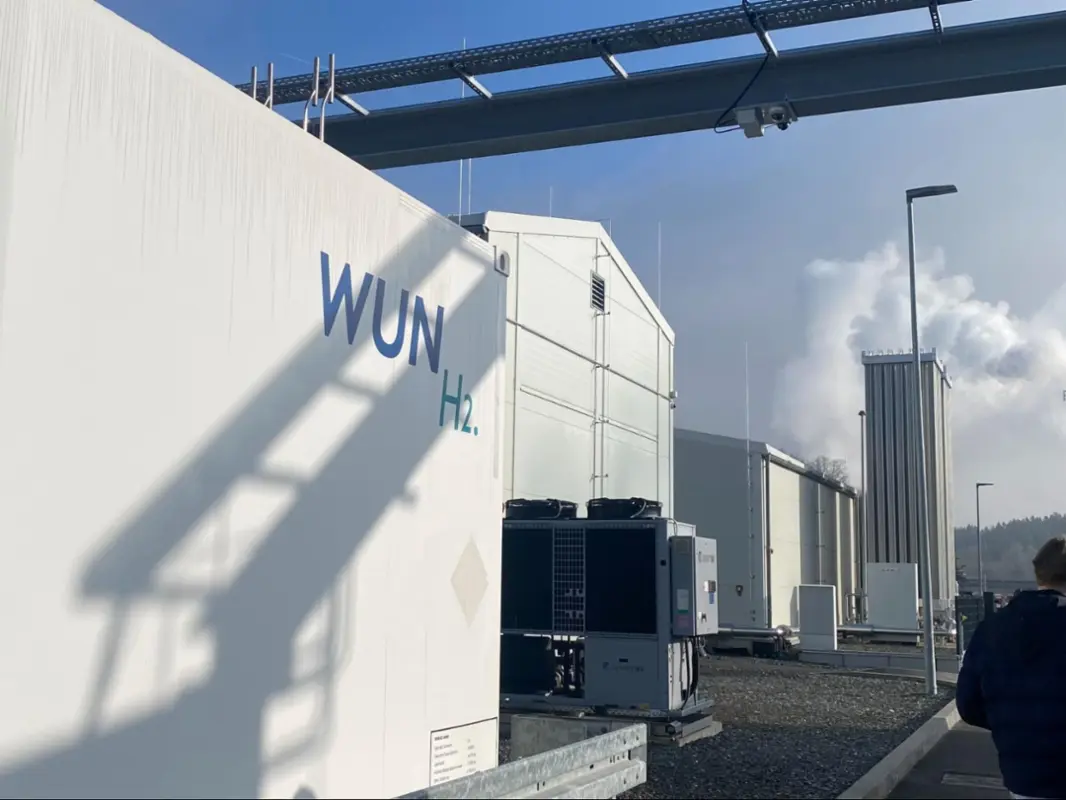
How bullish should we be on hydrogen in 2025? The excitement around the hydrogen economy has cooled in recent years due to downgraded growth forecasts, delayed projects, and significant cost challenges. However, opportunities are emerging with increasing green hydrogen investment and expanding hydrogen funding initiatives. When we started our Hydrogen Immersion Week, our goal was to assess the real investment potential in this market today. Over the course of our journey, we visited 18 companies and sites across the hydrogen value chain in Switzerland and Germany, accompanied by three of our corporate partners. The objective? To gain a clearer understanding of the market dynamics, future use cases, and the conditions required for cost-effectiveness.
The 2025 green hydrogen market: Slow but steady progress
The hydrogen market hasn’t experienced significant movement in the past five years. Approximately 100 million tonnes (MT) of hydrogen are used globally, with 29% consumed in China. Only 1% of the market is low-carbon, and an even smaller portion (~0.3%) is green or renewable hydrogen. Markets were very optimistic about the growth of green hydrogen in the early 2020s, with investors expecting around 26GW of electrolyzer capacity by 2026. However, these estimates have been significantly revised since 2023. The IEA lowered its capacity estimate by 51% when it became clear that costs were still high and the market was not moving as expected. Only 3% of announced renewable projects had reached FID (Final Investment Decision), governmental support came off to a slow start, energy costs were high, and the number of off-takers was still low.
We shouldn’t lose hope; there are a few encouraging signs that the hydrogen market is moving, albeit at a more conservative pace. Firstly, global installed electrolyzer capacity roughly doubled in the last year from 1.4GW to around 3GW. And secondly, many national hydrogen strategies, especially in Europe, have been further enhanced with higher capacity targets and more hydrogen funding mechanisms. To give an example, here are the main mechanisms for companies in or working with Germany specifically:
- €40B EU Innovation Fund (soon to be extended to €100B through the Clean Industrial Deal), fueled by the EU ETS ‘cap-and-trade’ system, which puts a price on the carbon emitted by companies emitted by companies operating in the EU. This funding is intended to support various decarbonization projects from 2021 to 2030, most of which are allocated through typical application calls.
- The European Hydrogen Bank (EHB), which promotes development in the EU, will allocate fixed amounts of funding from the Innovation Fund in the form of auctions. The first auction (closed in February 2024) allocated €800M in support, with project developers bidding on how much support per kg of green hydrogen they need. The projects with the lowest bids (often from countries with better conditions) are then awarded the subsidies as they produce. H2Global is a similar initiative for projects that will export hydrogen to Europe. Germany has contributed €4.73B to this initiative.
- The National Hydrogen Strategy, NWS in Germany, provides €9B for domestic projects and international partnerships and aims to reach 10GW in capacity by 2035.
- KfW Guarantee for private infrastructure developers (TSO/DSO): If network usage is too low, developers can tap into the credit line account financed by KfW.
- Additional state and federal funding is being provided as part of the German Recovery Plan, KTF (Climate Transformation Fund), specific project funding, and more supporting measures at the European level for hydrogen as part of the upcoming Clean Industrial Deal.
This surge in incentives helps to kick-start many trials and new projects, allowing industries to experiment with the use of green hydrogen in their operations.
RELATED EBOOK: Powering the Future: Hydrogen Report — Check out our previous hydrogen report to explore recent trends and insights on clean hydrogen technology and how the global energy landscape has shifted since then
Green hydrogen market projections for 2025–2040
Previous errors in market sizing were largely related to an overambitious LCOH (levelized cost of hydrogen) for green hydrogen. An assumption of €1/kg made it a very attractive intermediary for many new use cases, such as cars, shipping, various chemicals, or fuels. In the last 1.5 years, the industry has become more realistic, and it’s safe to assume that it will take around 10 more years before we see the cost of green hydrogen drop below the €2/kg threshold. Right now, the LCOH ranges between €4 and €12/kg, and hydrogen at the pump is typically €15–€22/kg (at least in Germany and Switzerland, where we checked or fueled up).
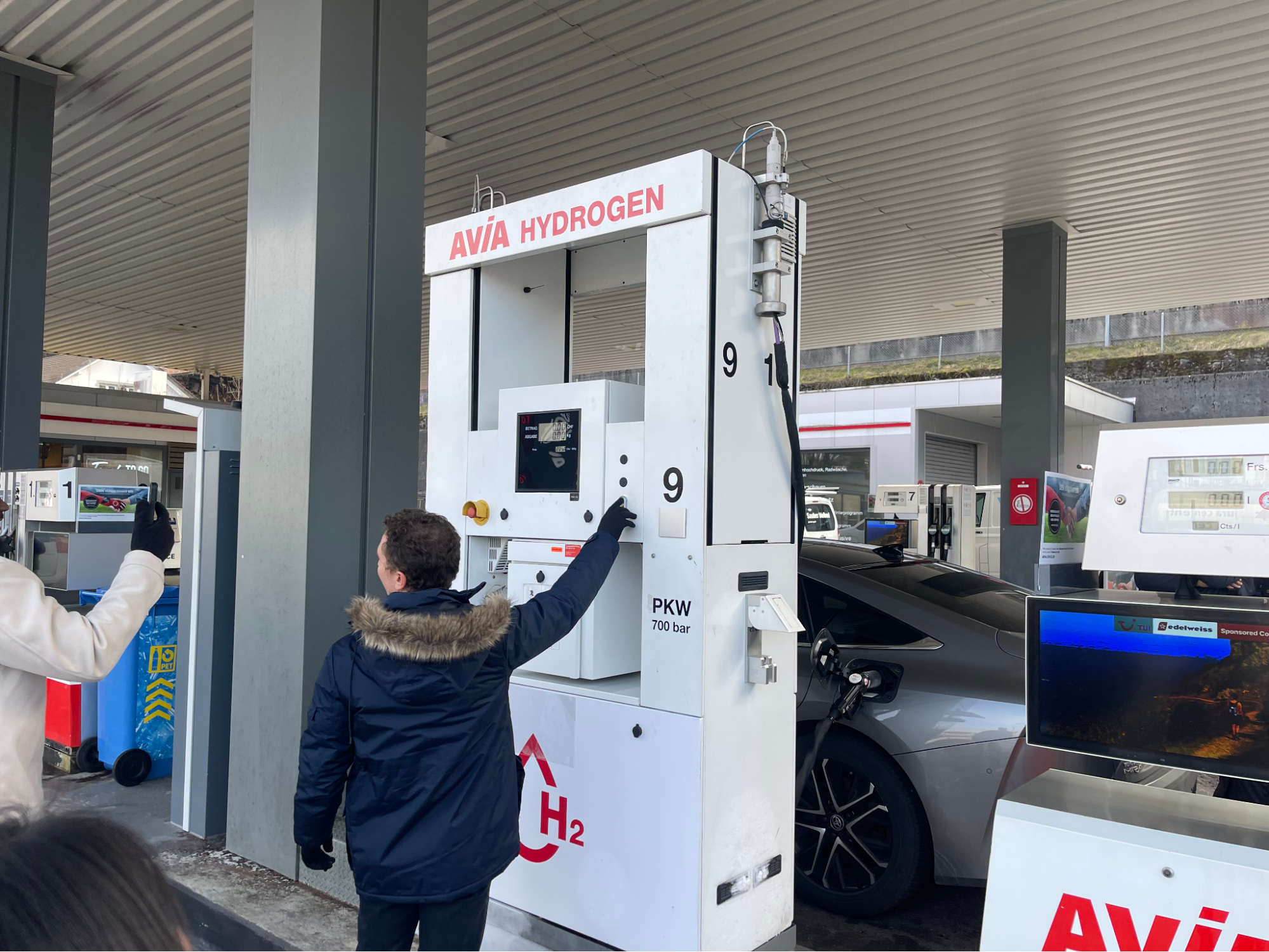
Avia Hydrogen Fueling Station in St. Gallen, Switzerland
Driving down the cost is mainly an OPEX game, with most electrolyzers operating when prices are (almost) negative. PEM electrolyzers are, therefore, the equipment of choice in Europe, offering a fast ramp-up and high purity, which is ideal for fuel cell projects, for example. Besides the cost of energy, electrolyzer efficiency plays a large role, with innovation centered around the following topics:
- More active catalysts lower the activation overpotential and increase the current density, so less voltage is needed to start the reaction, resulting in fewer energy losses.
- Thinner membranes have less resistance, resulting in a smaller voltage drop and fewer losses.
- Higher temperatures lower the activation energy needed and can, therefore, lower the voltage required. However, there is a risk of degradation, and the gain might be minimal if the electrolyzer is turned on and off frequently.
CAPEX also matters, and this is where scale and innovation are crucial. Innovation is centered around the following topics:
- Reduce the use of expensive and rare materials, such as iridium, for the catalyst of PEM electrolyzers. This drives up costs and introduces supply chain risks.
- Reduction of degradation and increase of durability to extend the lifetime of the stacks.
- More standardized modules to have less balance of plant components.
Besides improving these factors, scale is important. It will be very difficult to achieve profitability with a plant smaller than 5MW.
Science can only go so far, and green hydrogen will always be expensive. That’s why the industry has mainly started viewing it as a replacement for grey hydrogen, especially in cases where it’s very expensive or inefficient to decarbonize through electrification or other pathways. Conservative assumptions then give us an estimate of the hydrogen market at 150–200MT p.a. by 2040, 30–40% of which may be low-carbon. The largest share of the market will be for ammonia, followed by oil refining, methanol production, and conventional industrial uses.
Remarkable new use cases will include DRI-based steelmaking, industrial heating, and other chemicals. This estimate does not account for the direct use of hydrogen for transportation, as these markets are largely electrifying or using a hydrogen derivative due to better infrastructure availability and fuel densities (e.g., SAF, ammonia, or renewable diesel).
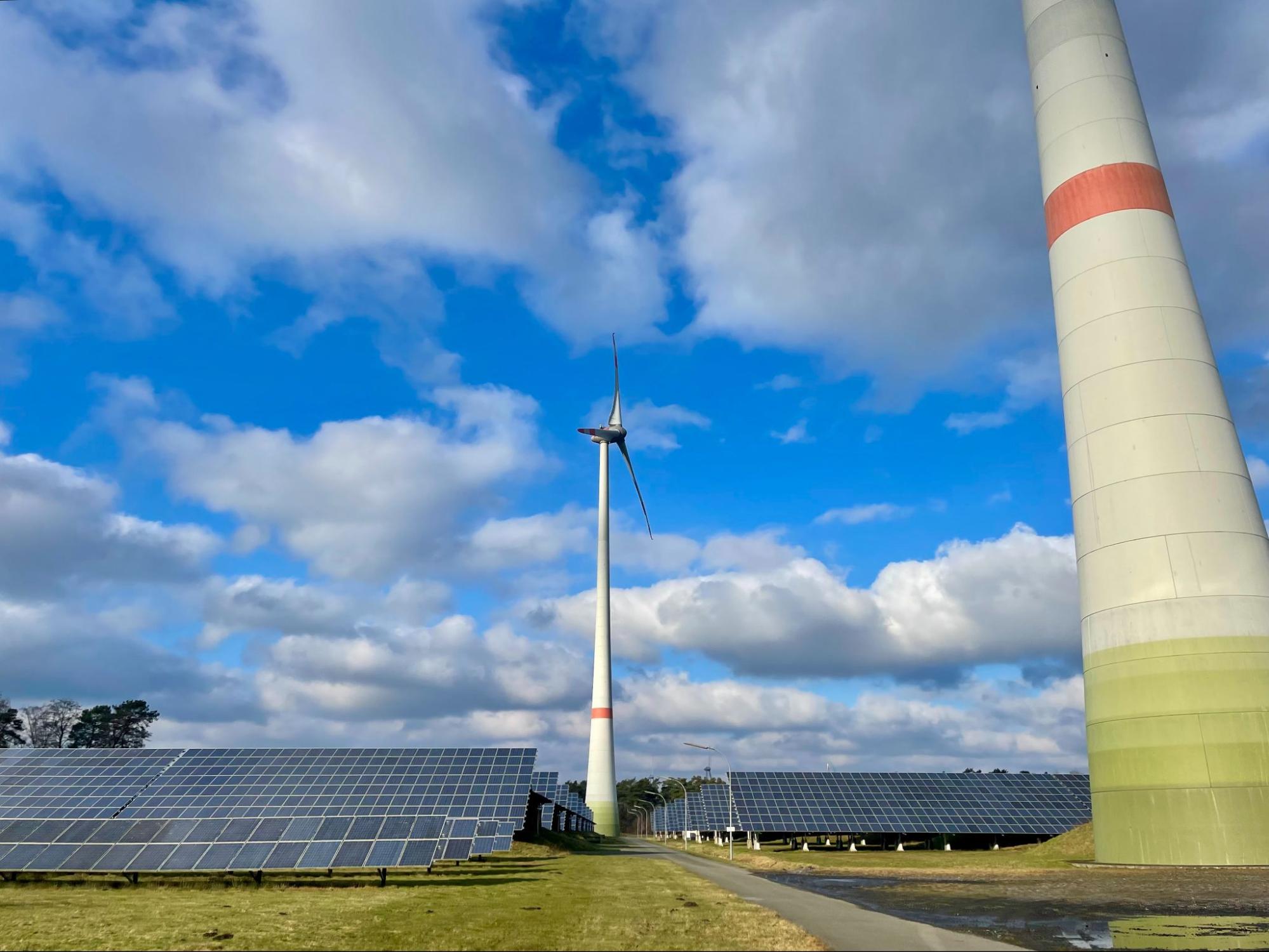
Bioenergiepark in Saerbeck, Germany
The path to profitability: Key considerations for investors in green hydrogen
Green hydrogen is incentivized in Europe in two ways; renewable projects are funded, and heavy emitters are taxed if they don’t adopt cleaner alternatives. This creates a growing market where industrials are willing to pay a green premium. However, demand always has its limits and it’s important to make the following considerations when investing in or prioritizing projects.
- Availability of renewables: If your region benefits from an abundance of clean energy resources that can generate renewable energy systematically at low cost, your LCOH might be much lower than in other regions, making your area well suited for renewable projects or export to other regions. Examples could be a consistent mix of wind and solar, large rivers for hydropower, or geothermal underground resources.
- Certification: Turquoise or blue hydrogen has a low emission intensity at a moderate cost, but it is not renewable, making it less attractive for off-takers, more prone to criticism, and generally lower-priced.
- Choice of electrolyzer: If you choose to go green, you can opt for Alkaline (mature), PEM (mature), SOEC (TRL 8), or AEM (TRL 6) electrolyzers. Parameters to compare are operating temperature, ramp-up, purity, footprint, cost of stacks (incl. the use of critical minerals), cost of additional equipment, durability, efficiency, or output pressure. If you have consistent renewable generation and lots of space, alkaline could be your best choice. If you have (waste) heat available, SOEC could be the best option. If you’re working with a more volatile energy source, AEM or PEM would be best.
- Scale: When producing, there are economies of scale. Better infrastructure utilization and optimized supply chains can help lower your LCOH.
- Proximity to import hubs: Europe, Korea, Japan, and China are expected to be the largest clean hydrogen importers because industries are large, demand is high, and local production will be too expensive or unavailable due to limited land or expensive renewables.
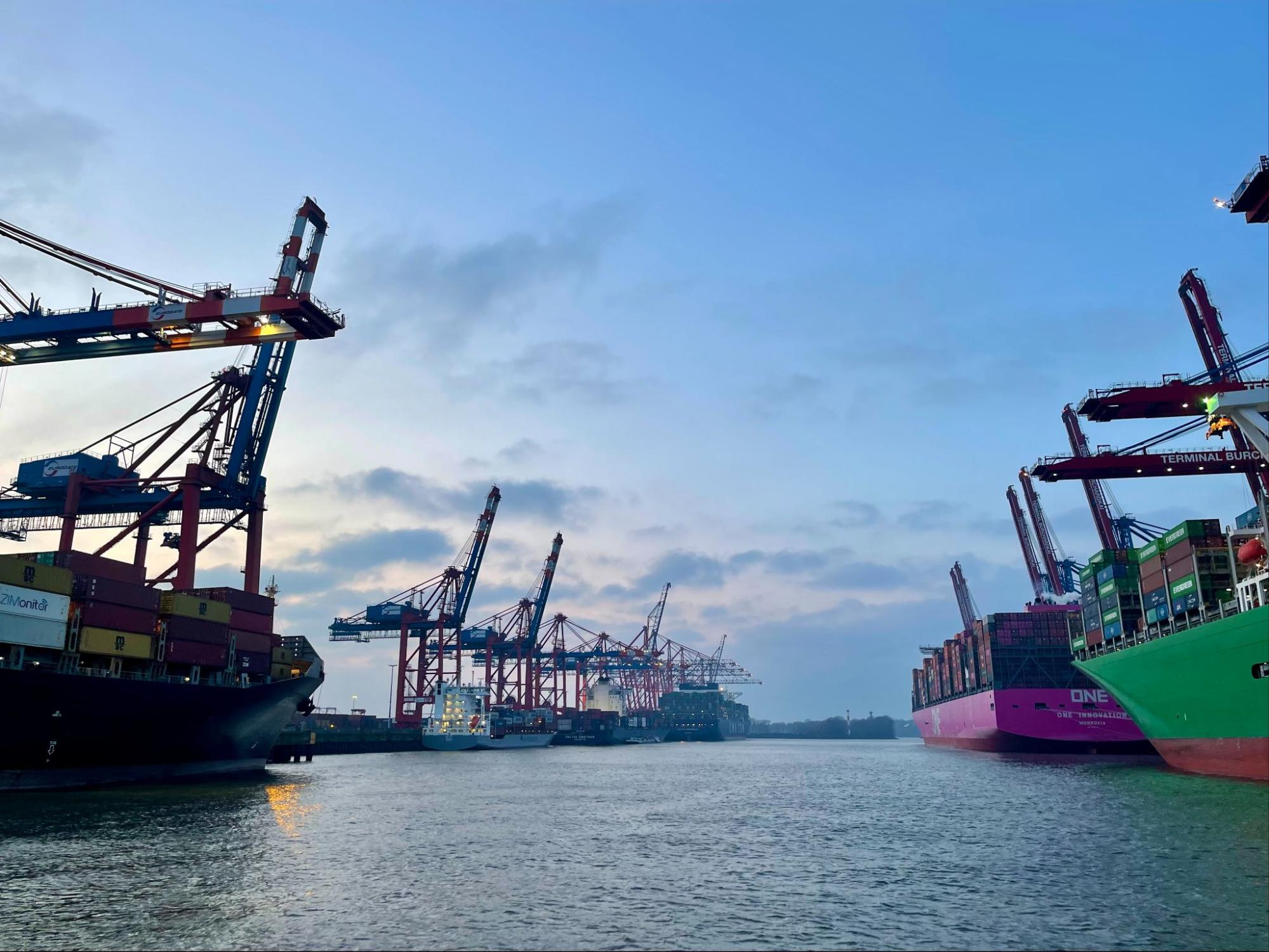
Port of Hamburg in Hamburg, Germany
This will create a few export hubs. The largest ones are expected to be North Africa, the Middle East, and Australia, followed by South America and North America. 2024 was another record year in low-carbon projects announced, with a 10.8% increase compared to 2023. Two thirds of those are renewable, but FID remains very low, which means few projects have been fully financed or commissioned. In conclusion, if you are a corporation looking to tap into this market, it could be a lucrative opportunity depending on your financing, region, incentives, and partnerships.
Positioning for success in the hydrogen market
For corporations considering entry into the hydrogen market, strategic factors such as financing, location, regulatory incentives, and strong partnerships will determine success. While the sector has faced setbacks, it continues to evolve with realistic, data-driven growth prospects. Companies that position themselves early — aligning with cost-effective production and high-demand applications — could find lucrative opportunities in the decade ahead.
Ready to innovate and connect with new hydrogen technologies? At Plug and Play, we fast-track innovation in the energy industry. Reach out to connect with the most disruptive startups.