Spain’s Healthcare Is on Life Support. Can AI-Powered Open Innovation Revive It?
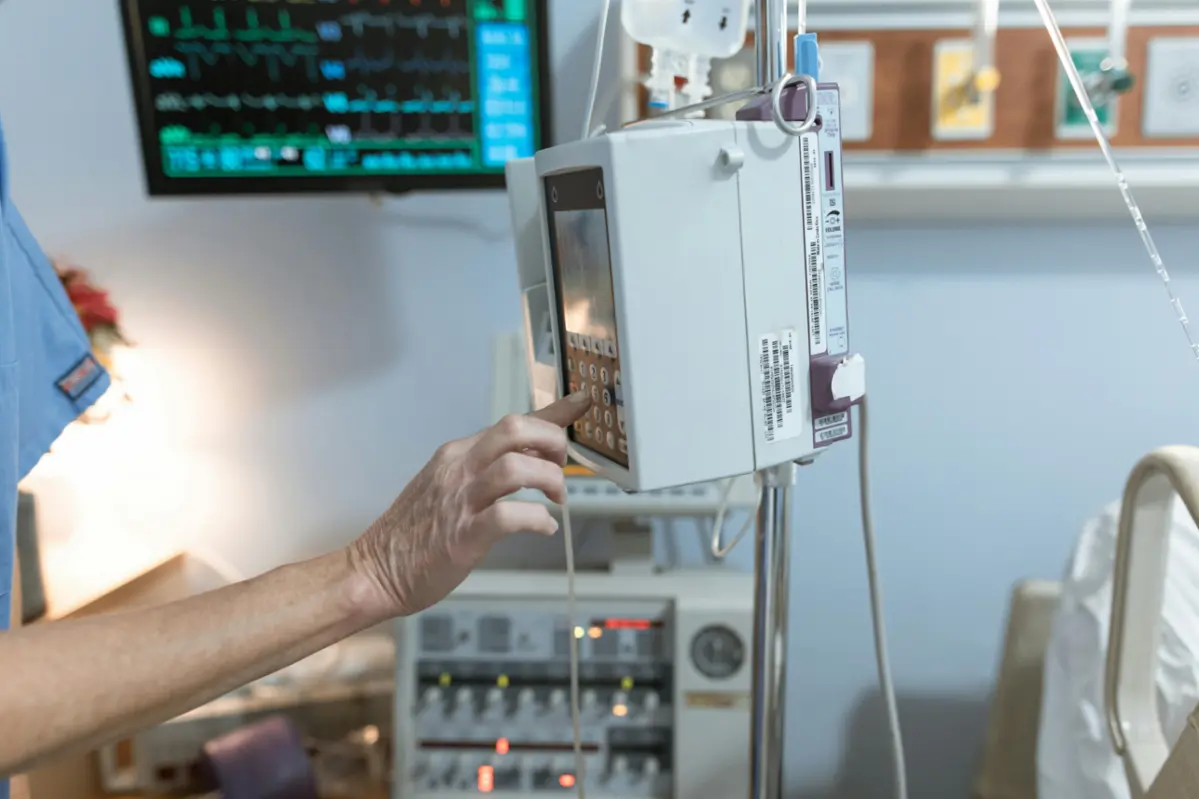
Spain’s healthcare system is feeling the squeeze, with overwhelmed hospitals, rising demand, and limited resources. But AI is stepping in where the system needs support most.
Spain’s healthcare system is renowned, but it’s standing at a critical juncture. It’s a story of immense pressure meeting incredible potential. On one hand, an aging population and stressed resources are pushing the system to its limits. On the other hand, a vibrant technology scene, particularly in the field of artificial intelligence, is creating a wave of innovation that promises to redefine patient care.
The pressure cooker: A healthcare system under strain
Spain’s healthcare system is feeling the squeeze. Alex Tortosa, Senior Corporate Partnerships Manager at Plug and Play, puts it bluntly, stating the system is “about to collapse.” He points to a difficult reality: “more and more patients for fewer doctors.” As life expectancy in Spain increases, the demand for medical care is escalating at a rate that the current model simply can’t sustain.
The core issue is that the traditional healthcare framework is becoming unsustainable. Doctors are burdened not just with patient care, but with overwhelming administrative tasks. As Tortosa highlights, we can’t have doctors who are just “someone clicking the computer.” The goal is to “allow doctors to be doctors” again. This is where the need for a fundamental shift becomes clear. The system requires disruption, and digital, AI-based solutions, along with an open innovation approach, are stepping up to answer the call.
The AI revolution in Spanish healthtech
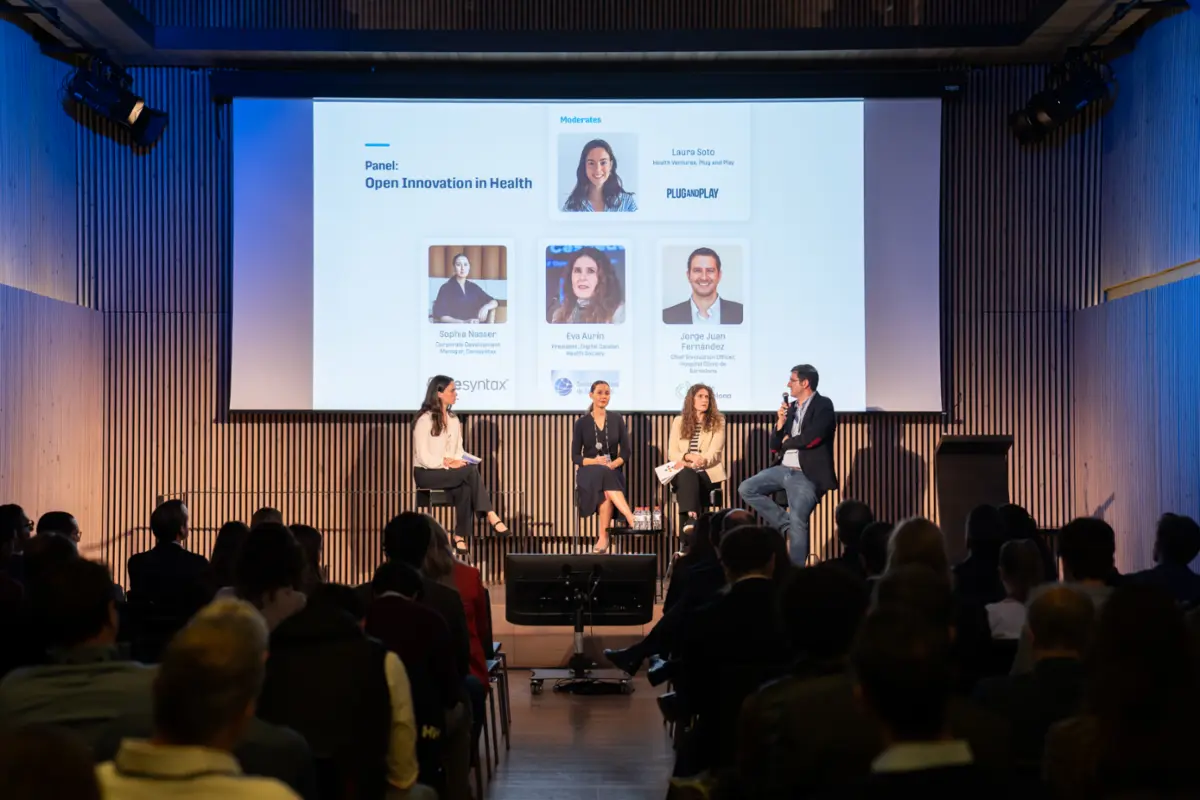
Open innovation is redefining healthcare in Spain, encouraging collaboration across startups, hospitals, corporates, and technology providers. At the Barcelona Health Expo: NextGen Health event in the historic Hospital de la Santa Creu i Sant Pau, Plug and Play hosted a panel featuring leading voices in the industry who shared their experiences, challenges, and hopes for the future of healthcare innovation powered by AI.
Meet the panelists
Laura Soto
Senior Ventures Analyst, Plug and Play
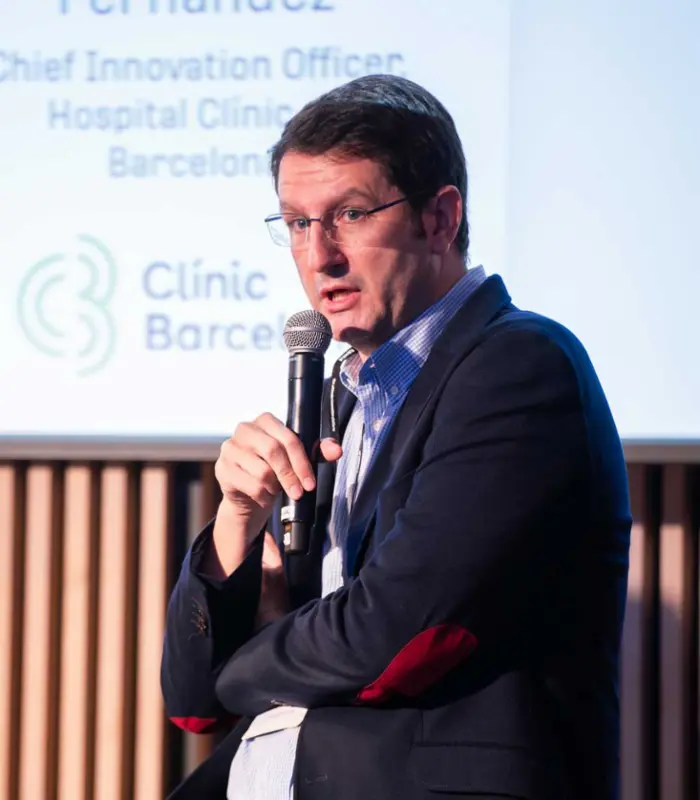
Jorge Juan Fernández
Chief Innovation & Digital Officer, Hospital Clinic
Laura Soto: Before we begin, I would love to define our core topic. What does “open innovation” mean to you in the context of healthcare?
Sofia Nasser: At CareSyntax, our mission is to make surgery smarter and safer by collecting data from the operating room. For us, innovation is about building an ecosystem that connects all stakeholders — patients, surgeons, hospitals, insurers, and even governments. It’s about giving these stakeholders access to data to see what’s happening and enabling them to use that information to achieve their own goals.
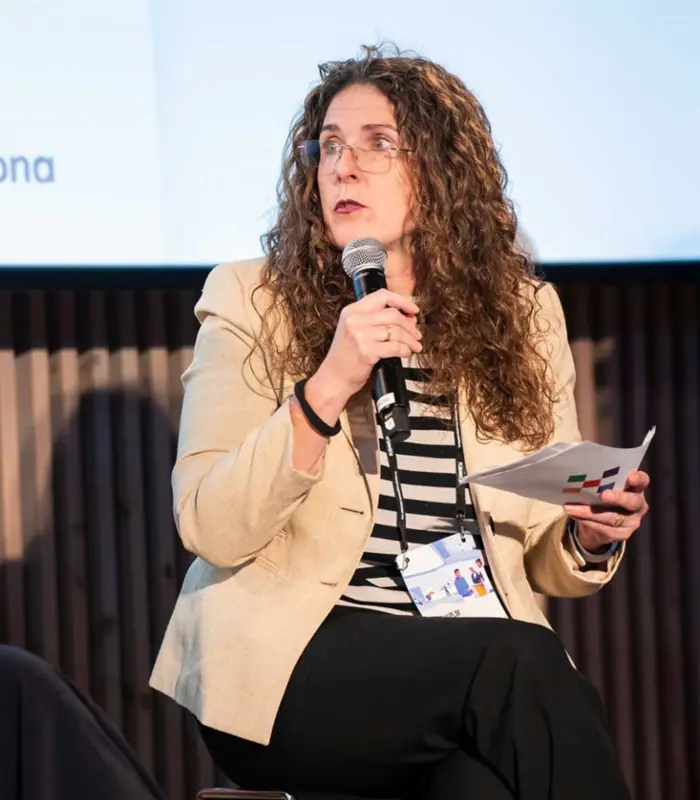
Eva Aurín: We see open innovation as a way to connect the different actors in the sector. It’s about bringing hospitals, startups, and professionals together to develop solutions that fit the real needs of healthcare. Sometimes, incredible solutions are developed that don’t solve an actual problem. It’s crucial that everyone comes together to share needs and co-create the best solutions. It’s not about “my problem” or “my solution,” but about sharing to solve problems together.
Jorge Fernández: I prefer the term “collaborative innovation.” For me, it means doing something of value with others whom you might have previously considered competitors. For example, top hospitals in Barcelona share knowledge because it helps us all move the needle faster. It’s about working together to accelerate progress.
Soto: Oftentimes, the adoption of technologies in the healthcare sector falls behind other industries. What are the biggest challenges you see holding the industry back?
Aurín: It’s not just one thing. Regulation is a factor, but the banking industry also has heavy regulation and moves faster. I think a major issue is that in healthcare, innovation isn’t just about plugging in a new technology; it requires changing the way people work. If you only introduce a tool without changing the process, you don’t achieve real efficiency. Another problem is that solutions developed in a vacuum often don’t fit the real, unmet needs of professionals. Co-creation with professionals, patients, and industry is the only way to solve this.
Fernández: I agree, and I’d add one more thing: we need to change our own mindset. Open innovation starts at the top, with management being willing to work with partners they traditionally wouldn’t have. It’s about breaking down silos between venture capital, hospitals, pharma, and regulatory bodies to see if we can move faster together. That mindset shift is the first and most critical step.
Fostering a culture of innovation in healthcare organizations
Soto: Jorge, you mentioned the importance of internal change. How do you foster a culture of innovation within a large organization like a hospital?
Fernández: The most important thing is to find people in your organization who think like you, the like-minded individuals who want to drive change. Hospitals are huge and diverse. You have brilliant collaborators and brilliant people who prefer to work alone. The best way to start is to assemble a team of people who share a desire to move things forward. Once you have the right people in the room, it becomes much easier to convince top management, if they aren’t already on board.
Aurín: I completely agree. Convincing management is key. You need a clear strategy. Innovation shouldn’t be a series of one-off pilot projects. It needs to be part of a total digital transformation strategy that changes how the entire organization works. Pilots often fail because they exist in isolation, without a larger strategic vision.
Soto: Sofia, you work with many of these organizations from the other side of the ecosystem. From the startup/scaleup point of view, what makes a hospital or a corporationeasier to work with, and how do you move from a pilot project to a long-term partnership?
Nasser: We interact with many different stakeholders, and what’s crucial is understanding what each one cares about. A patient wants the best outcome. A surgeon wants that too, but also efficiency. An insurer is focused on risk management. A brilliant product with no sustainable business model won’t scale.
To move beyond a pilot, the key is to go from a “proof of concept” to a “proof of value.” It’s not enough to have a good idea; you must show a tangible impact and a real return on investment (ROI). When we run a pilot, a hospital can see the measurable effect our platform has on surgical outcomes from a clinical, operational, and financial perspective. That holistic approach helps you connect with decision-makers and find that internal champion who will drive the process forward.
Build vs. buy: Making strategic decisions in healthcare innovation
Soto: A big question for organizations is whether to build a solution internally or buy one from a partner. Jorge, as a decision-maker at Hospital Clinic, how do you make those decisions?
Fernández: This is a very important question, especially for heavily regulated areas like AI. A hospital like ours can’t afford to develop and then regulate 15 different algorithms created by our own physicians. For those things, my strategy is almost always to buy. The difficulty is that many startups that approach us are not yet regulated, so we often have to decline unless it’s something strategically vital that we can co-develop.
We choose to build when something is highly strategic for us. Right now, that’s advanced therapies. For less strategic needs, we prefer to buy or partner. We’ve found that partnering with other hospitals is often more effective than with pharma or medtech companies. When I talk to my peers at other hospitals, we have the same problems, and there’s a foundation of trust that allows us to share our challenges and learn from each other to grow together.
Soto: Looking ahead, data is the fuel for so much of this innovation, especially AI. How do you see the landscape of data privacy and collaboration evolving?
Nasser: All the data we access is de-identified to comply with regulations — that’s fundamental. A few years ago, creating an AI solution meant building algorithms from scratch, which could take months or years. Today, the infrastructure is largely in place. This shift means that proprietary data is the real key. While we support open innovation, it’s critical to be selective about your partners and ensure data is used safely and appropriately. For a startup, having a unique, proprietary dataset is an incredibly powerful asset.
Sustainable Solutions for a Healthier Healthcare System
Gain a comprehensive understanding of the strategies, innovations, and collaborations reshaping healthcare sustainability.
The future of spanish healthcare innovation: Technologies to watch
Soto: To close this interesting panel, I would like to ask you what technologies you see leading healthcare innovation over the next five years?
Aurín: Artificial intelligence, on two fronts. First, generative AI will help with repetitive, administrative tasks, like writing reports while a doctor is with a patient. Second, AI will be a powerful tool to support diagnostics by finding patterns in data, helping professionals detect problems earlier. This is essential for advancing personalized medicine.
Fernández: On the clinical side, anything related to precision, both in diagnostics and therapies. Advanced therapies are incredibly promising. For AI, I think scribes and similar tools will become commodities. I’m most hopeful about “agentic AI” — systems that can act autonomously to save time and money for everyone. However, our ability to use this technology depends on data quality and accessibility. Many hospitals still struggle to get data out of their own systems. Without interoperability, we can’t achieve true precision.
Nasser: Everything we do is centered around AI. Building on Jorge’s point, we are very excited about agentic AI. Because the core infrastructure is now in place, we can use agentic AI to bring different solutions to our platform and users much faster. It’s definitely helping to speed things up for us and is quickly becoming both the present and the future.
Key takeaways: AI’s impact on Spanish healthcare innovation
AI boosts administrative efficiency by automating routine tasks, freeing up time for care.
AI enhances diagnostics with data-driven insights, enabling safer and faster diagnoses.
AI drives personalized medicine by utilizing proprietary data to tailor treatments to individual needs.
Adopting AI requires a culture shift: Leadership buy-in, collaboration, and proof of ROI are essential.
Data is the foundation: Secure, unique, and high-quality data enables effective, responsible AI in healthcare.
The future of health is collaborative
The Spanish healthcare landscape is a dynamic and exciting space. The challenges are significant, but the spirit of innovation is stronger. The convergence of a booming AI scene, the urgent need for new solutions, and a growing ecosystem dedicated to fostering collaboration is creating fertile ground for transformation.
At Plug and Play, we’re committed to fostering meaningful collaboration by connecting high-potential startups with established partners, both locally and beyond. This approach helps drive real innovation where it matters most. We are already partnering with health organizations that are now collaborating with dynamic AI startups from our ecosystem to enhance diagnostics, patient care, and daily operations. As industry leaders have expressed, there’s a sense of excitement as these institutions break away from traditional silos and embrace new opportunities in the digital age.
By bringing together the best startups, the most forward-thinking corporations, and the brightest minds in medicine, Spain is not only addressing its own healthcare challenges but also helping to build a blueprint for the future of healthcare worldwide. For anyone involved in health, technology, or innovation, this is a space to watch. The journey is just beginning, and it promises to be inspiring
We have a community of experts all over the world. We work as a bridge between Silicon Valley and the rest of the world, making innovation open to anyone, anywhere.